The App Store is booming again, and AI may be why
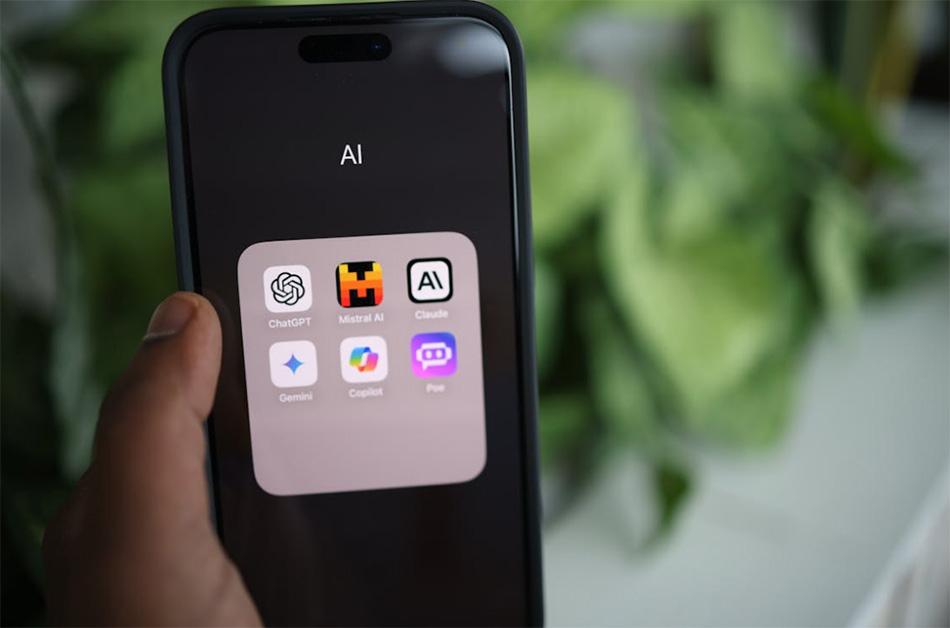
For years, the fashionable prediction sounded clean and smug. AI would erase apps. Chatbots would swallow the phone. People would stop hunting for icons and start barking wishes into one omniscient panel. The numbers now heckle that idea. Appfigures reports worldwide app releases in Q1 2026 jumped 60% year over year across Apple’s App Store and Google Play, with iOS alone up 80%. April runs hotter, up 104% across both stores, up 89% on iOS. Greg “Joz” Joswiak quipped that the App Store’s death rumors “may have been greatly exaggerated.” Cute. Also accurate. Something reignited the launch machine, and AI looks less like an executioner and more like an accelerant.
The data refuses to behave
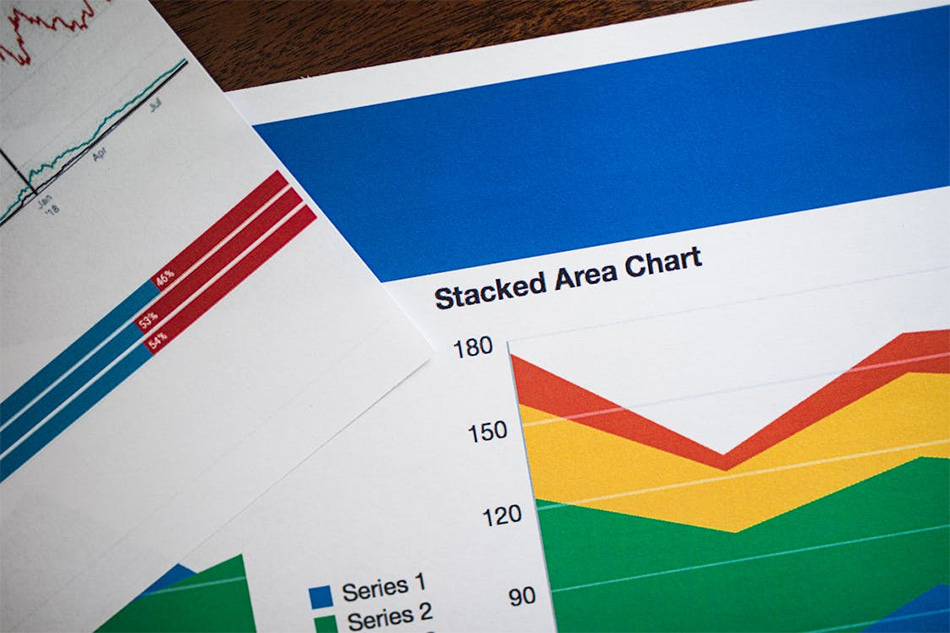
Markets do not surge because pundits feel poetic. They surge because builders ship. A 60% jump in Q1 releases across the two big stores, paired with 80% on iOS, signals mass participation, not one lucky breakout. April’s early doubling only sharpens that point. The category mix matters. Games still dominate raw volume, yet utilities climb near the top, lifestyle rises, health and fitness holds, and productivity breaks into the top five. Those categories scream “small problems, small fixes.” The old prophecy said AI would replace the shelf. The shelf keeps getting longer.
AI didn’t kill apps. It taught more people to build them
The app apocalypse theory hid a lazy assumption: making apps would stay hard while talking to machines got easy. AI flipped the first half. Tools like Replit and Claude Code shrink the entry price. The barrier stops looking like years of framework trivia and starts looking like taste, patience, and the ability to describe a goal without babbling. Beginners paste logs, ask for fixes, try again. Bugs remain. Store rules remain. Still, the center of gravity shifts from “Can this be built?” to “Should this exist?” That invites creators with ideas and zero desire to become career engineers.
The “post-app” future still needs apps
The industry loves a replacement story. Smart glasses. Ambient devices. AI-era phones. OpenAI hardware with Jony Ive, because myth sells. Yet every new form factor drags a trail of setup screens, account hubs, permissions, billing, exports, and customer support. That plumbing lives somewhere, and the phone remains the default somewhere. New platforms do not erase the store. They recruit it. Developers respond to platform anxiety by shipping more experiments, more companions, more glue software that connects today’s phone to tomorrow’s gadget.
Boom times feed scams, and review teams feel it
Scale cuts both ways. Apple already fights industrial amounts of garbage. In its 2024 analysis, Apple said it removed or rejected over 17,000 apps for bait-and-switch behavior, rejected more than 320,000 submissions as spam or copycats or misleading, and blocked over 37,000 potentially fraudulent apps from reaching users. Recent stumbles still sting. Apple pulled the rewards app Freecash after it climbed the charts for months. A malicious crypto app posing as Ledger Live drained $9.5 million. Those failures do not prove review is pointless. They prove queues snap when volume spikes. AI-assisted “vibe coding” can ship good tools fast. It can ship convincing fakes fast, too.
This rebound does not contradict AI assistants. It clarifies their effect. People do not abandon apps because a chatbot exists. People abandon apps when apps feel slow, bloated, and indifferent. AI nudges the ecosystem the other way by making small, specific software cheaper to produce and easier to revise. That shows up in the surge itself and in the rise of utilities and productivity releases. The hard part arrives next. Discovery will get nastier. Review must get faster without getting sloppy. Developers will need restraint, because ten clones of the same “AI planner” will not create trust, only fatigue. Growth is pressure. The App Store now has plenty of it, and that pressure will reshape incentives.