Google Sets Date for Smart Glasses Comeback
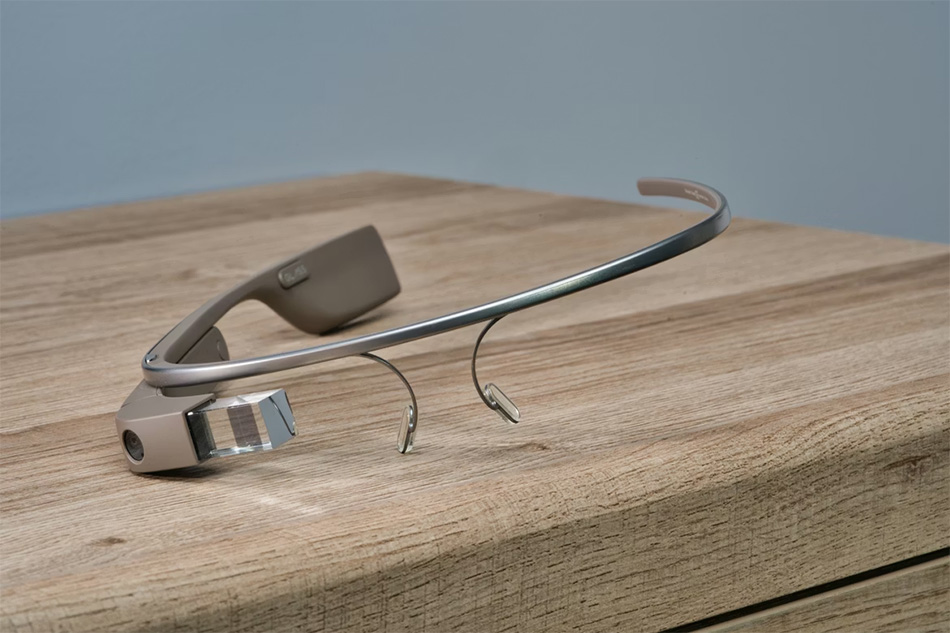
Google will re-enter the wearable market in 2026. This isn’t a rumor. The company confirmed its return to smart glasses. The industry has taken notice. Google’s last attempt, Google Glass, failed to catch on. Now Google is betting on AI. The new glasses will run on the Gemini AI platform and Android XR software. This isn’t just another gadget. Google wants to put AI on your face, not just in your pocket. Competitors are adjusting. Partners are preparing. The stakes are high. The timeline is fixed. Google is all in.
Industry Disruption: Competitors Forced to React
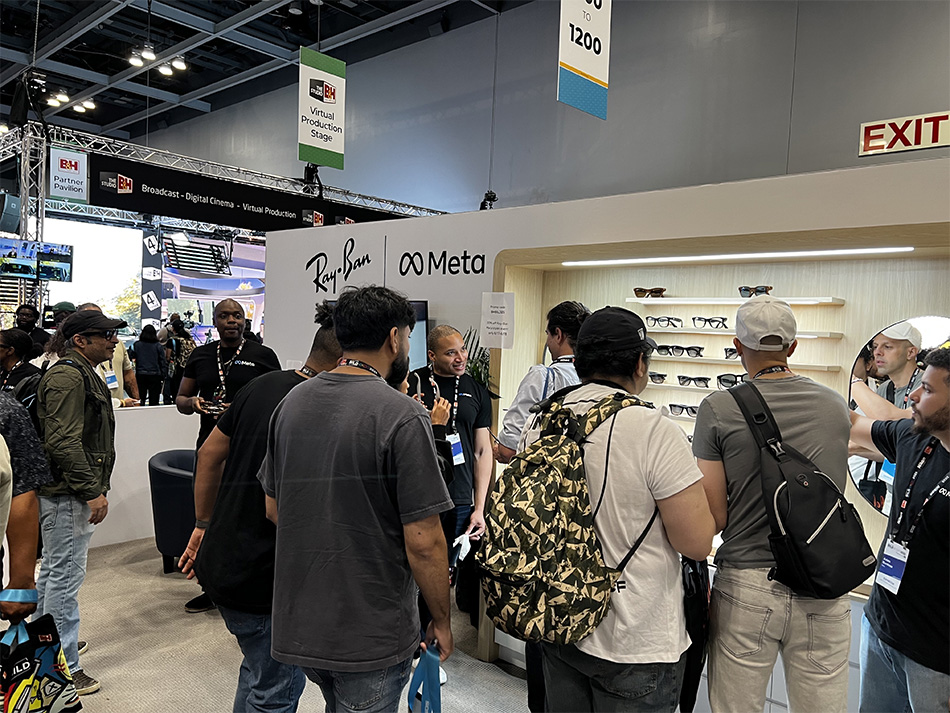
The 2026 launch window forced rivals to change course. Plans moved up. Companies like Meta and Apple are watching. Meta’s Ray-Ban AI glasses are now under pressure. Apple is developing its own smart eyewear. Google’s fixed launch date means no one can wait. Hardware partners and app developers are speeding up. The market won’t pause for laggards. Google’s move isn’t subtle. It’s a direct challenge. The company wants to control the wearable AI market. Every player now faces a faster timeline and higher expectations. The clock is ticking for everyone.
Product Strategy: Two Versions, One Goal
Google’s plan is direct. There will be two main products. First, audio-only AI glasses. No display, just voice commands and responses. Second, display-enabled AI glasses. These will show information directly in the lens. Both use Gemini AI. Both run Android XR. Lightweight design is a focus. Most AI work will happen on a connected phone. Some tasks will process locally for privacy. AR chipsets from Qualcomm may help. Google wants these glasses to blend in. Partnerships with brands like Warby Parker and Gentle Monster target design and comfort. Google won’t repeat past mistakes on style.
Technology Shift: AI First, Not Just a Screen
The new glasses are not a copy of Google Glass. That device was about basic notifications and camera use. The 2026 version is built around AI. Gemini isn’t just a voice assistant. It processes audio and visuals. The glasses can identify objects, read signs, and give real-time help. Display models promise navigation, captions, reminders, and message previews. Prototypes show both single-eye and both-eye displays. The AI will be context-aware. It listens. It sees. It acts. Google aims for a real AI companion, not a flashy screen. This is the core difference.
Privacy and Acceptance: Fixing Old Problems
Privacy killed Google Glass. The company won’t let that happen again. The new glasses include features to protect users and bystanders. Content dims when others approach. Sensitive data processes on the device, not in the cloud. The design is subtle. No flashing lights, no bulky frames. Working with known eyewear brands is a key move. Google wants these glasses to look normal. Comfort matters. Social acceptance matters. The company is betting that better design and better privacy will remove old barriers. Early AI experts are interested but cautious. Skepticism remains about daily utility.
Bottom Line: Google’s Gamble is Real
The facts are clear. Google is back in wearables. The company set a 2026 launch. It’s not a side project. The industry can’t ignore this. Google learned from its past failure. This time, AI is the focus. The strategy is aggressive, direct, and public. Every competitor must respond or risk falling behind. The privacy question is not settled, but Google has answers ready. The market will decide if style and AI are enough. One thing is certain. Google will not back down. The next two years will decide who leads wearable AI.