AI Drives Global Memory Chip Shortage
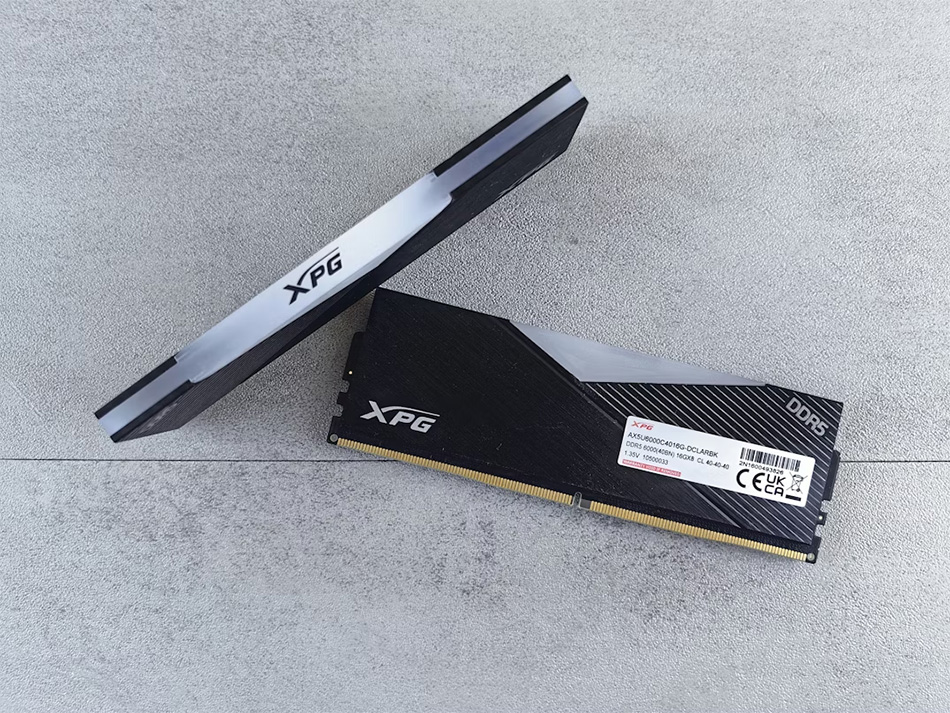
The memory chip market is under pressure. AI keeps pushing demand higher. RAM supplies are falling behind. Prices are climbing week after week. This isn’t a minor shortage. It’s a structural problem. Data centers and tech companies need memory chips now, not next year. Supply can’t catch up. Traditional buyers like PC and phone makers get left behind. Prices hit everyone. Industry leaders expect no relief until at least 2027. The bottleneck is real. Buyers and suppliers are both feeling the impact. The bottom line: if a device uses memory, it’s about to get more expensive.
AI Data Centers Eat Up RAM
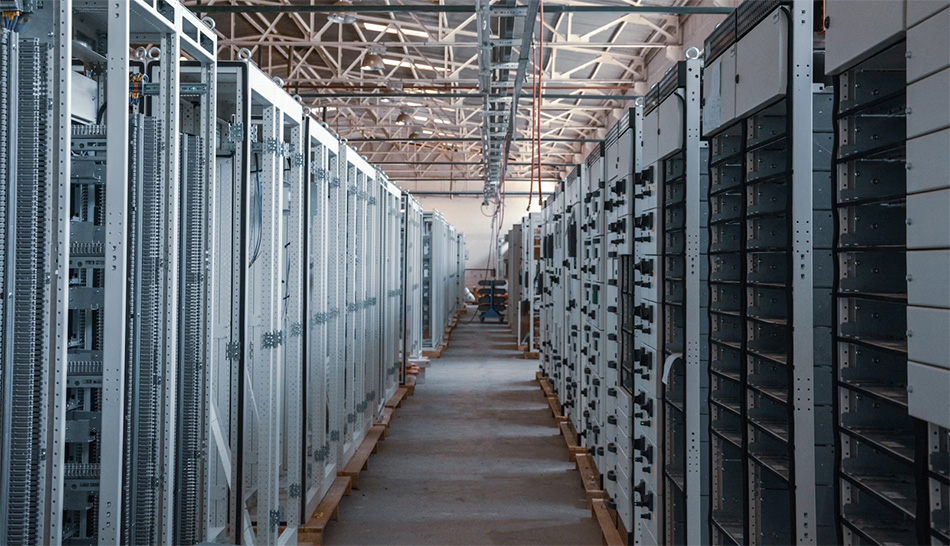
AI is the main driver here. It’s not a cycle. This is a new baseline. Data centers that run large AI models need record amounts of RAM. Each graphics processor in these systems pulls in as much memory as possible. The goal is speed and efficiency, not cost savings. Billions of dollars are pouring into new data center construction. Tech advisory firms see no sign of slowdown. AI models demand high bandwidth, low latency, and lots of memory right next to the processors. No one can dial this down. Cutting back would break performance. The result: supply gets squeezed.
Prices Surge as Supply Runs Dry
The numbers are clear. TrendForce reports that RAM demand now exceeds supply by at least 10%. The gap is growing. In a single quarter, DRAM prices jumped 50%. If companies want priority shipping, they pay up to three times more. There’s no sign of a price drop. Next quarter, analysts expect another 40% increase. The outlook for 2026 is worse for buyers. No relief is coming. Chipmakers are paying more for raw materials. They pass those costs on. Every device with memory—phones, laptops, even TVs—faces higher component costs. The pressure is relentless.
Traditional Buyers Lose Ground
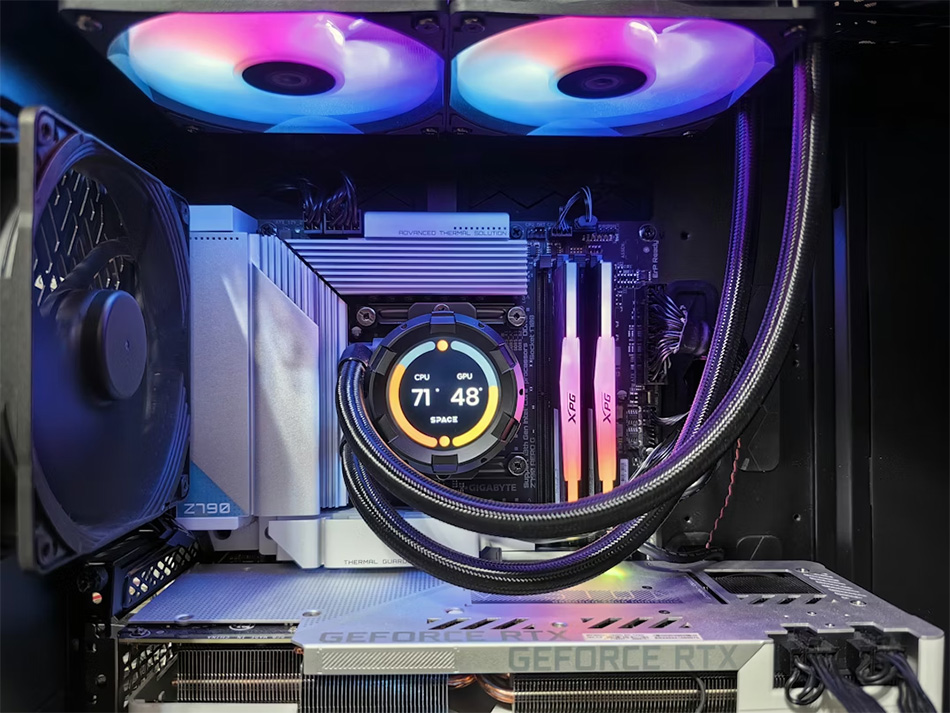
Micron Technology is cashing in. It’s a top RAM maker. Its earnings jumped as prices spiked. CEO Sanjay Mehrotra says demand will keep outpacing supply “for the foreseeable future.” Micron and other big chipmakers now focus on high-margin AI orders. That leaves less capacity for consumer electronics, PCs, and mobile phones. Other segments lose out. Dell’s COO Jeff Clarke said he sees no way to avoid passing higher memory costs to customers. The squeeze is industry-wide. No one escapes it. Consumer products take the hit. Inventory gets tight. Price hikes move downstream.
No Fast Fix for the Shortage
No one expects a quick turnaround. Analysts agree: there’s no short-term solution. Manufacturers can’t add capacity overnight. Facilities are running at full speed. By 2026, existing factories will max out. The next new plant—Micron’s site in Idaho—won’t go online before 2027. Until then, supply stays tight. Every month, the gap between demand and capacity grows. Suppliers will keep raising prices. Buyers can’t wait years. They compete for every shipment. The memory chip industry faces a long bottleneck. Nothing breaks the deadlock until new factories open. The timeline is fixed.
The Outlook Stays Grim
This shortage isn’t a blip. AI keeps changing the rules. RAM prices only go up. Manufacturers shift focus to whoever pays most. Traditional buyers get squeezed out. End users pay more for electronics. No relief is coming in 2025 or 2026. Factory expansion takes years, not months. The industry can’t solve the problem with small tweaks. Every analyst agrees: expect higher prices and tighter supply for the next two years. The memory chip shortage is real. It’s not going away. The message from the market is clear. Buy now, or pay a lot more later.