T-Mobile CTO on injecting AI into network resiliency
Storms arrive. Networks buckle. First responders clutch their outdated radios like talismans. The mood, undeniably anxious. Not just for those in the field, but for every CIO chained to a dashboard flashing red. One rotten disaster, and the whole thing unravels: no coverage, no coordination, no hope for fast response. Hurricanes like Isaias don’t just flatten trees. They slice through cell service and slice through business continuity. Fixing this mess isn’t about guesswork. It isn’t about bundles of coaxial cable hastily zip-tied to broken towers. Modern network survival depends on rapid action, reliable tech, and, increasingly, the cryptic cleverness of AI. This is not a lab experiment. It’s hard reality for hospitals, government agencies, finance firms. The public expects connection. Failure is not a quirk. It’s chaos.
CIO Nightmares Start with Coverage
Coverage. Capacity. Congestion. The so-called Big C’s are hard demands from CIOs, responsible for keeping connections reliable when it matters most. Picture a government agency depending on real-time video during a flood. Now, the feed dies. A hospital shifts from digital records to paper, not from choice, but because the network stalled. Nobody cares about elegant code if everything freezes. Congestion avoidance may lack glamour, but it stands between mission success and catastrophic silence. What really matters to a CIO? Guarantees, not just uptime, but performance under pressure. Proof that no storm, blackout, or TikTok surge will knock their teams offline.
Physical Assets, Now Smarter
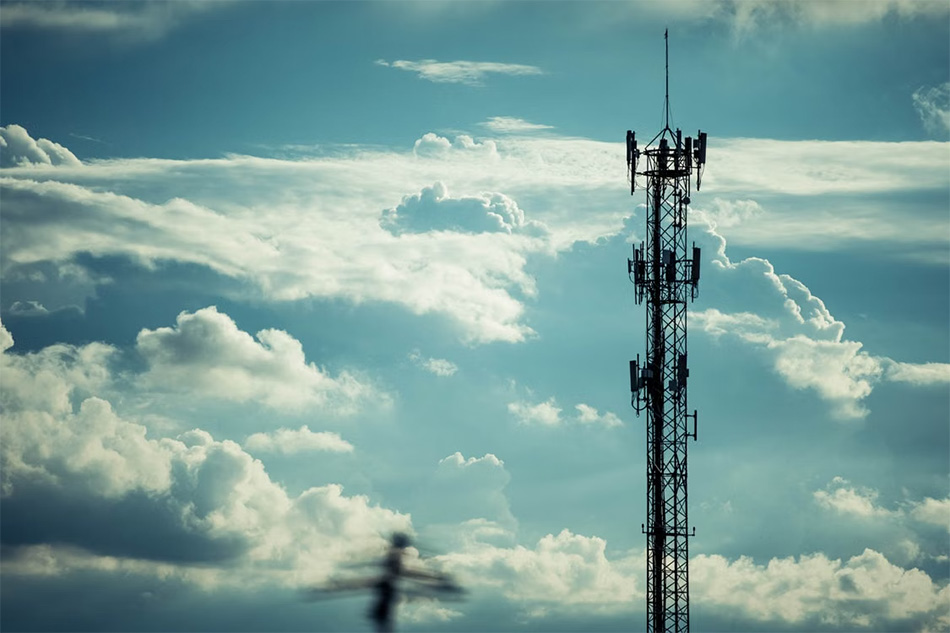
It’s not enough to send a truck with a cell tower into the wilds after disaster strikes. The world moved past that. Enter the parade of acronyms: COWS, COLTs. Mobile cell sites, stashed in truck beds, rolled out like relief drops after each windstorm. Yet hardware alone misses the point. Anyone can buy a generator. Real evolution comes from intelligence layered atop hardware. T-Mobile’s push for hybrid generators and satellite backhaul as backup is hardly cosmetic. This is anticipation, not reaction. Satellites twinkle above, ready for action, giving a second backbone when the terrestrial grid fades to black. The old approach was brute force. What’s happening now feels like strategy disguised as logistics.
AI Gets Its Hands Dirty
AI isn’t some annoying chatbot glued onto a customer portal. In network operations, it’s become the invisible orchestrator. During winter storm Fern, T-Mobile’s AI tweaked antennas thirty thousand times. Not a typo. Thirty thousand. Humans don’t make those adjustments overnight. Machines do, with no panic, optimizing power, tilt, and channel usage in seconds. Intent-based automation puts the burden on outcomes, not just routines. It’s not about following a playbook. The network senses, predicts, reacts. Reroutes data where needed, pinches resources from binge-watchers and gifts them to trauma wards. This kind of automation isn’t a luxury. During emergencies, it’s a weapon. Every minute shaved off downtime saves more than revenue. It can save lives.
Hospitality in the Back of Beyond
Network redundancy sounds dull until someone explains what it means in the middle of nowhere. Take Aramark Destinations, operating resorts far from city lights. They want guests to post selfies at the summit, not apologies for dead zones. Their sister company, Nexus, houses workers at construction projects deep in the countryside, places where fiber hasn’t even been whispered about yet. Without 5G as a lifeline and satellites as backup, there’s no streaming, no video calls, no morning check-ins. Business suffers. Staff flee for better Wi-Fi. Modern resilience makes these places feel like home, connectivity-wise. One dashboard. One control panel. No tangled layers of tech from five different vendors. That counts as comfort, both for guest and CIO.
The world will always throw hurricanes and blackouts at networks. What matters is the response, not the excuse. T-Mobile’s combination of AI orchestration, physical backup, and relentless automation offers a new blueprint: don’t just patch holes, anticipate the flood. Watching legacy systems flounder while dynamic, self-adjusting networks barely blink can’t be ignored. There’s an expectation now: seamless service, even above the tree line or after a substation explodes. The next leap for CIOs and network chiefs isn’t more hardware, but more thinking machines, united with old-school boots-on-the-ground prep. The promise isn’t perfect uptime. It’s one step closer to making disaster feel routine, not catastrophic.