Rugged Computing in APAC: When Tough Isn’t Enough Anymore
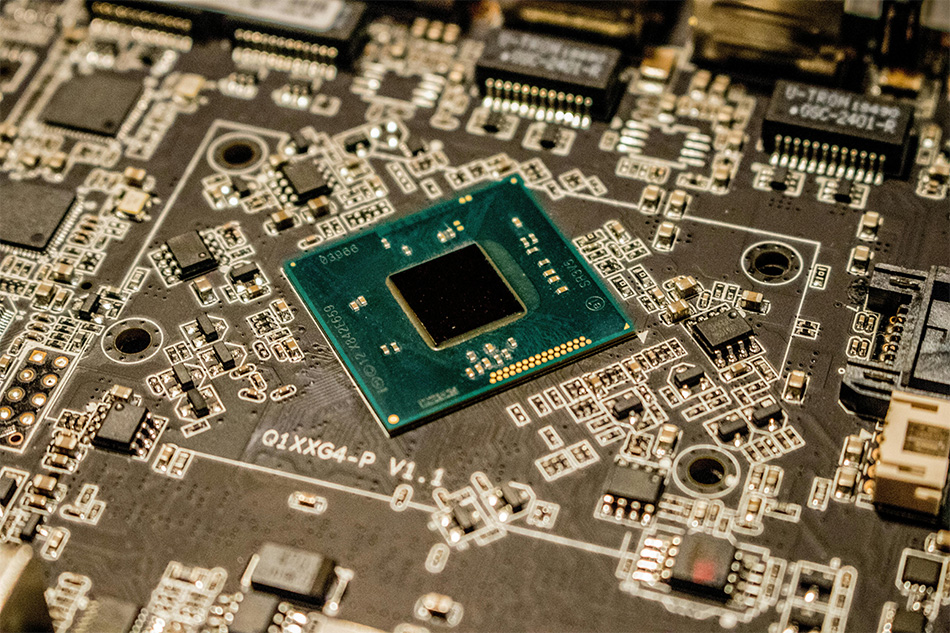
Steel bones, silicon brains. The Asia-Pacific region’s “rugged” device market has always loved its grit, but now? The rules have changed. AI dropped in and started rewriting the script, fast. Efficiency isn’t optional anymore. Where engineers once obsessed over drop-tests and waterproof seals, now they’re infusing devices with decision-making skills that blow old expectations out of the water. The inescapable conclusion: this isn’t just about surviving the elements. It’s about thriving in them, anticipating breakdowns, and squeezing every ounce of performance from every bolt and circuit. Anyone ignoring this shift is already behind. The smart money knows—durability’s old news. Intelligence is the new standard.
Predictive Maintenance: The End of Nasty Surprises
Unplanned downtime? That’s a relic. In this new era, rugged devices don’t just survive—they see the future. AI takes a mountain of sensor data (vibrations, heat spikes, odd pressure blips) and finds the invisible warning signs before disaster strikes. Suddenly, maintenance teams aren’t scrambling. They’re calmly swapping out a part before it ever fails. Consider the price tag for ignoring this—over $200 billion in U.S. industries alone, wasted on old-school, reactive repairs. What this truly signals: predictive maintenance isn’t a luxury, it’s table stakes. The rise of maintenance-as-a-service models is no accident, either. With AI-powered diagnostics now baked into rugged gear, industries from logistics to mining are finally seeing efficiency gains that matter.
Material Evolution: Smarter, Not Just Stronger

Plastic’s out, aluminum’s in. Why? Because AI doesn’t just help with software smarts. It’s steering the physical evolution of the devices themselves. Algorithms run relentless simulations, punishing new materials with virtual stress tests, nudging manufacturers to dump anything that can’t stand up to real-world abuse. The result: lighter devices, sturdier shells, and no more overbuilt tanks that weigh down workers. Now, products can be tailored for hyper-specific needs. The market’s splitting into niches, with each manufacturer desperate to prove they’ve got the right mix of toughness and brains. Any company still clinging to yesterday’s materials is already a step behind. The message is clear—let the machines tell you what to build.
AI-Powered Inspections: Human Eyes Can’t Compete

Manual inspections? Those days are numbered. In the field, AI-enabled cameras on rugged devices spot cracks, rust, or misalignments with a ruthless precision no human can match. Inspections that once took hours, or even days, now wrap up in minutes. The implications are huge—fewer workers in harm’s way, downtime cut to the bone, and accuracy that makes the old clipboard-and-flashlight routine look laughable. Energy, construction, transportation—these industries aren’t dabbling in this tech, they’re betting on it. Inspection-as-a-service startups? Sprouting up everywhere, armed with rugged AI tools that deliver results on demand. The inescapable conclusion: the old approach is obsolete, and only those willing to adopt these new tools will stay competitive.
Voice Interfaces: Hands-Free, Hassle-Free, and Suddenly Essential
Fieldwork’s messy. Gloves, mud, rain, noise—keyboards and touchscreens just don’t cut it. Enter voice AI. It listens, understands, and reacts faster than anyone could hope to type, even with perfect conditions. Now, workers talk to their devices, log data, trigger tasks, and keep their hands free for real work. The result? Productivity soars, safety improves, and those tiny, error-prone manual steps vanish. The construction and mining sectors, in particular, are seeing time savings that used to seem impossible. As voice recognition gets sharper, these devices stop being just tools. They become teammates. The implication’s obvious: companies that ignore this wave are volunteering to lose ground.
The APAC rugged tech market’s transformation isn’t some distant promise. It’s here, charging forward, powered by AI’s relentless advance. Durability alone won’t cut it anymore. Only the smartest, most adaptive devices will win the field. Ignore the shift, and get left in the dust.