OpenAI’s Chip Strategy: Power Plays and the Silicon Showdown
The chip wars just got messier. No one’s surprised. OpenAI, famous for churning out AI that can write, draw, and maybe even dream, has tossed another grenade into the data center arms race. After striking what’s frankly an eye-watering $100 billion deal with Nvidia, OpenAI’s not satisfied. Apparently, a single chip kingpin isn’t enough. Suddenly, AMD’s in the picture. The inescapable conclusion is obvious: OpenAI’s hungry, and it wants options. The world’s top AI lab won’t settle for a one-horse race. The tech giants’ strategies look less like chess and more like a frantic scramble for every last silicon wafer.
Nvidia: The Giant OpenAI Can’t Ignore
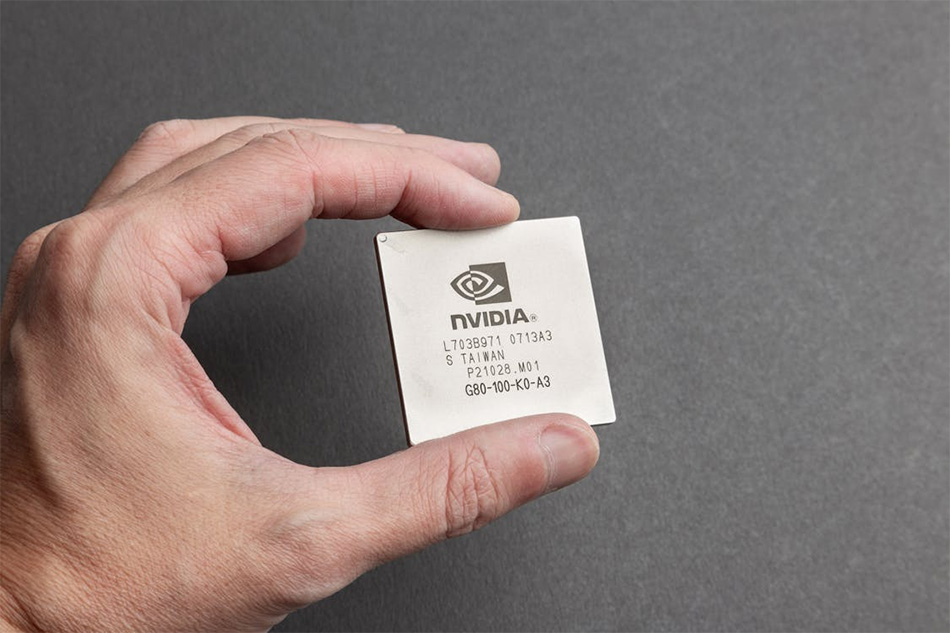
Nvidia, the current overlord of AI chips, sits atop the industry’s throne. OpenAI’s $100 billion commitment to Nvidia’s hardware isn’t pocket change; it’s a blaring siren. OpenAI needs power, lots of it, and Nvidia’s the best supplier right now. Why? Because Nvidia’s chips run ChatGPT, image generators, and every other AI trick OpenAI can conjure. The real story isn’t about loyalty. It’s about survival, about staying at the bleeding edge. Betting big on Nvidia means OpenAI locks up a supply of the most coveted chips on earth. Wall Street cheers, rivals sweat, and everyone else wonders if there’s any silicon left for the rest of the world.
AMD Steps In: Not Just a Bit Player
Now AMD’s name flashes up. OpenAI’s making another play, grabbing chips from Nvidia’s most serious challenger. Is this about backup plans, or is it a shot at making AI hardware a real two-horse race? The answer seems obvious: OpenAI wants leverage. AMD’s chips will be powering new data centers, not the ones already rising in Texas, New Mexico, Ohio, or that mysterious Midwest site. The implication’s clear as day: OpenAI refuses to be cornered. If AMD can deliver, the market’s going to shift, maybe even tilt. Suddenly, Nvidia’s grip looks shakier. Competition’s good only for those who can keep up.
Six Gigawatts: The Power Behind the Promise

The numbers stagger the mind. Six gigawatts of power, all for AMD’s slice of the OpenAI empire. That’s not just a few server racks—it’s enough electricity to run every house in Massachusetts. This isn’t another incremental upgrade. OpenAI’s new data centers will guzzle energy on a scale that dwarfs most tech projects. Pair that with the ten gigawatts promised for Nvidia, and the writing’s on the wall: AI’s appetite for power is outpacing everything else in tech. The next era isn’t about clever code; it’s about building the biggest, fastest, and hungriest machines the world’s ever seen.
What the Data Center Land Grab Really Means
Forget the polite corporate statements. OpenAI’s moves signal something bigger than a simple purchase order. This is an open declaration: controlling AI means controlling the chips, the data centers, and the energy. OpenAI’s not just a customer, it’s shaping the entire supply chain. The company’s willingness to split its bets between Nvidia and AMD says one thing: whoever can keep up with OpenAI’s demand will win, and those who can’t will be left behind. The strategy’s ruthless, but it’s the only way forward in the AI gold rush. Suppliers who blink, lose.
A Future Defined by Silicon Choices
The only logical takeaway: OpenAI’s not waiting around for the market to decide who wins the chip wars. It’s making those decisions itself, forcing the industry to follow. Nvidia, AMD, maybe others—no one’s safe from OpenAI’s appetite. The company’s relentless expansion into new data centers, fueled by a hunger for raw computing power, signals a future where the biggest players call the shots. For everyone else, it’s adapt or vanish. The silicon showdown’s just beginning, and OpenAI clearly intends to write its own rules. Any company that can’t keep up? It’ll simply be left in the dust.