Nvidia’s new PC chips represent CEO Huang’s bid to win at every layer of AI stack
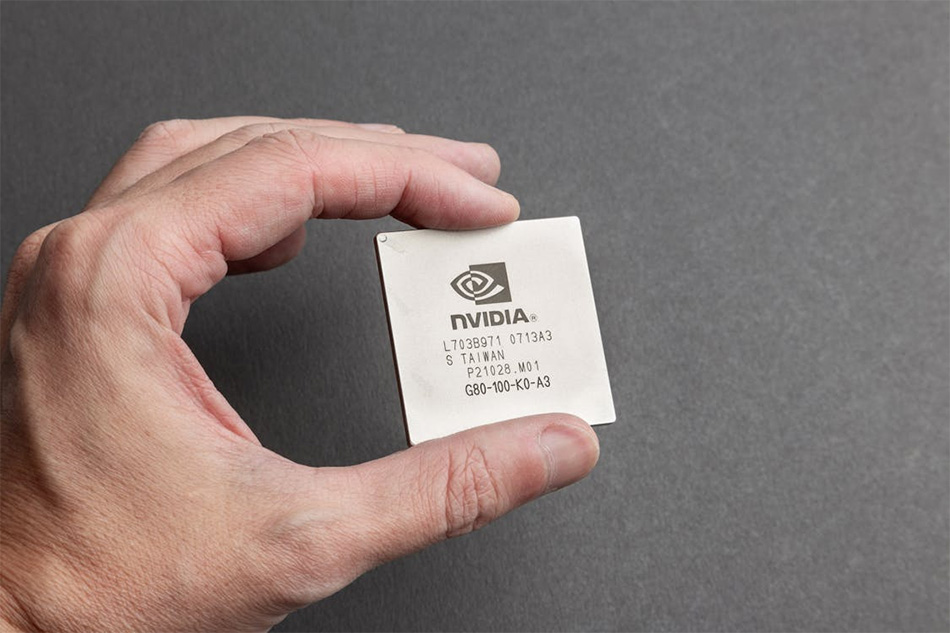
Nvidia’s rise turned the data center into a money engine that kept compounding. GPUs went from niche accelerators to the core machinery of modern AI, and investors started treating the company like a utility for the future. That success creates a trap. Tie the whole story to one battlefield and customers negotiate harder, rivals copy faster, and growth rates start obeying gravity. The new push into PC system-on-chips signals a refusal to live inside that trap. This move drags AI down from warehouse servers into everyday machines, where latency rules, privacy sells, and battery life acts like a judge. This isn’t a cute expansion. It’s a bid to make local AI feel inevitable.
The PC as a beachhead, not a side quest
The PC market looks dull until it becomes strategic. Data center revenue still dwarfs everything Nvidia touches, and that fact tempts lazy analysis: why bother with laptops at all? PCs deliver distribution and habit. PCs also shape what developers consider “normal,” then that normal spreads into enterprise buying. Huang’s “reinvent the PC” line sounds theatrical, yet it maps onto a familiar playbook. Win the client device and the ecosystem bends. The market reaction told the truth. AMD, Intel, and Qualcomm sank, which means investors saw threat, not noise. Nobody sells “just a chip” anymore. The winner sells the default future, and PCs still manufacture defaults at scale.
One chip, one memory pool, fewer excuses
RTX Spark, built with MediaTek, matters less as a name than as a design argument. Put a serious Nvidia GPU beside a CPU in a single SoC and remove friction that made on-device AI feel like a demo. Unified memory sounds academic until a model chokes because data shuttles between separate pools and performance collapses. Bottlenecks create disappointment, and disappointment kills categories. The “AI PC” push from 2024 proved that: big branding, thin software, and Copilot confusion left buyers unimpressed. Nvidia’s bet says the idea wasn’t wrong. The execution lacked weight. A Blackwell-class GPU on the client device changes what “edge” can mean, because it supports larger models without constant cloud dependency.
Windows power and the politics of partners
The Microsoft angle reads like platform politics, not friendship. Windows still sets the terms for most PCs, and when Windows signals a new baseline feature, vendors move fast or get left behind. That explains the quick lineup of Dell, HP, ASUS, Lenovo, and MSI. The deeper shift targets the old CPU hierarchy. Qualcomm has pushed Windows-on-Arm, Apple proved vertical control can rewrite performance per watt, and Intel and AMD still own the cultural definition of a “PC processor.” Nvidia entering with a GPU-first worldview contests that definition. Developers follow installed base and predictable performance. If the best local models run best on this silicon, developer attention tilts, tooling follows, and the platform’s center of gravity slides.

Owning the stack means owning the choke points
“Every layer of the AI stack” sounds like chest-thumping until the mechanics show up. Control compute behavior, memory access, and the libraries that make hardware feel easy. Nvidia already dominates cloud AI as the default engine for training and much inference. The PC push targets the gap: the device on the desk that still depends on someone else’s CPU story and someone else’s on-device AI pitch. If agentic AI becomes ordinary, local inference stops acting like a perk and starts acting like plumbing. The chip inside the machine becomes gatekeeper for responsiveness, privacy, and capability. Gatekeepers shape standards and collect value. That’s the prize.
Complaints about the PC’s slow growth miss the timing. Nvidia won’t replicate data-center-scale revenue from laptops next quarter. Nobody expects that. The point is expectation-setting, not instant cash. If AI agents become a normal part of everyday work, waiting on the cloud for every inference starts to feel clumsy and expensive. Local performance becomes the product. Nvidia wants that performance to feel natural on its silicon, tuned by its software, blessed by Windows distribution. Intel and AMD fight for sockets. Qualcomm fights for efficiency. Apple fights by owning everything. Nvidia wants to fight across it, because its signature move stays the same: turn technical edge into ecosystem habit.