NASA’s New AI Processor Is 500x Faster Than Current Space Computers

Spacecraft suffer a strange handicap. The farther a mission travels, the less brainpower it carries, not because engineers lack ambition, but because space punishes electronics with radiation, savage temperature swings, and vibrations that treat circuit boards like drums. Reliability wins. Speed loses. That bargain shaped decades of exploration, from flybys to rovers that pause and wait for instructions. NASA now pushes against that trade with a new AI-ready, radiation-hardened processor under the High Performance Spaceflight Computing project. The point is simple. Think on board, decide faster, depend less on Earth when distance turns conversation into delayed control.
Autonomy Stops Being Optional
Deep space lives under delay. Signals crawl for minutes, which makes “ask Earth first” risky during fast events. NASA’s processor targets that weakness by pushing computation onto the spacecraft, where the sensors live and the clock doesn’t pause. Faster on-board analysis changes science too. Instruments collect floods of images, spectra, and telemetry. Older space computers often force missions to compress hard, discard detail, or postpone analysis until after downlink. That wastes opportunities when an interesting plume, rock, or hazard appears and vanishes in a single pass. NASA ties advanced processors to autonomous spacecraft and quicker discoveries through on-site data analysis.
Radiation Is the Villain, Not Gravity
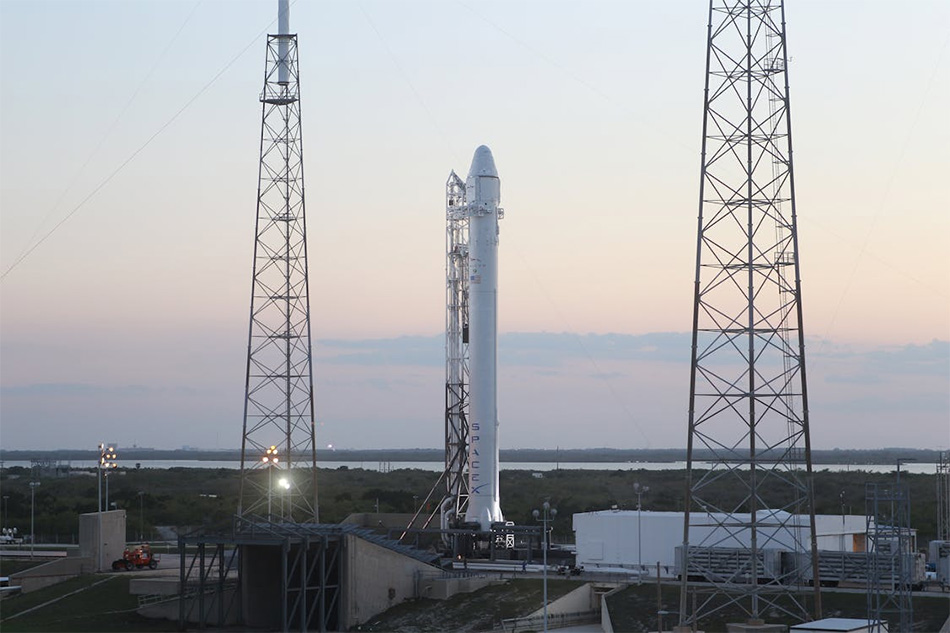
Speed means nothing if one charged particle flips a bit and shoves a spacecraft into safe mode. High-energy radiation can create errors that look like nonsense commands, forcing systems to shut down nonessential functions until engineers diagnose the mess. NASA’s chip must behave like a tank while still running like a sprinter. Engineers at NASA’s Jet Propulsion Laboratory hammer it with radiation, thermal, and shock tests, then run a strict functional campaign to see what breaks. Jim Butler, the project manager at JPL, calls it putting the hardware “through the wringer.” Landing adds cruelty. A descent sequence generates huge volumes of sensor data that demand instant processing. NASA feeds the chip high-fidelity landing scenarios from real missions to see whether performance survives.
A Palm-Sized SoC With Ridiculous Speed
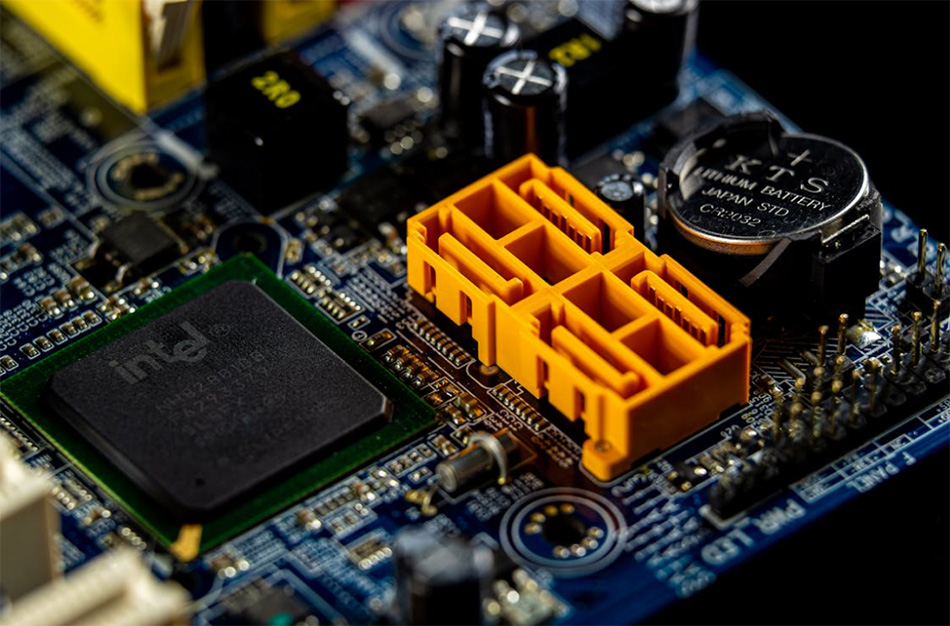
This design arrives as a system-on-a-chip, a compact device that packs the parts of a computer into one unit small enough to hold in a hand. It combines CPU cores, memory paths, networking, input-output interfaces, and computational offloads that handle specific workloads efficiently. Phones use SoCs for size and power savings. Spacecraft need those traits, then demand years of operation under radiation and temperature extremes with no repair option. Early results from JPL testing look provocative. NASA says the processor functions as expected and appears capable of roughly 500 times the performance of the radiation-hardened processors currently flying.
Partners, AI, and the Unromantic Details
NASA didn’t build this chip alone. JPL works with Microchip Technology Inc. through a commercial partnership, and early versions have gone to defense and commercial aerospace partners. Space-grade computing lives or dies on ecosystem and the dull work of finding edge-case failures. The payoff sits in autonomy. AI in space won’t mean a talkative robot. It means pattern recognition, anomaly detection, navigation help, and rapid decision rules that run on board when communication delays make human guidance irrelevant. It also means faster local analysis, smarter storage choices, and more selective downlink of valuable results. Eugene Schwanbeck points to a multicore system that stays fault-tolerant and extremely high-performing. Those words only count if the silicon keeps functioning after months of punishment.
This processor effort signals a shift in how exploration works. The old model treated the spacecraft as a tough body and treated Earth as the mind. That arrangement limped along because many missions could afford to wait. New targets, demanding landings, and high-rate instruments don’t tolerate hesitation. JPL’s ongoing tests aim to prove the chip can survive radiation, shock, and temperature swings while still delivering the compute needed for real-time judgment. If certification follows, the gain won’t just appear as a benchmark figure. It will show up as spacecraft that choose safer actions without pausing for permission, rovers that sort scientific value on site, and crewed missions that get better on-board support when minutes of delay feel like hours.