Microsoft Pulls Copilot and ChatGPT from WhatsApp: What’s Left for Users

The Copilot AI integration in WhatsApp is over. Microsoft set the cutoff for January 15, 2026. ChatGPT will exit on the same day. This is not a rumor. Microsoft confirmed it. Copilot isn’t dead. It’s just moving. The standalone Copilot app and web version will stay. These platforms offer the functions users had on WhatsApp. They also have features WhatsApp never supported. Microsoft is shifting its focus. It’s clear the company wants users on its own platforms, not inside third-party apps. This move will change how users interact with AI tools.
The End Date is Final

Microsoft chose a firm date. Copilot and ChatGPT will stop working inside WhatsApp on January 15, 2026. No delays. No extensions. After that, users can’t access either AI through WhatsApp. Microsoft didn’t give a technical reason. This isn’t a bug or a failure. It’s a strategy. The company wants to control its AI ecosystem. It doesn’t want to depend on a messaging platform it doesn’t own. WhatsApp users lose AI support in less than two years. Those who rely on Copilot or ChatGPT must switch.
Copilot’s Web and Mobile Presence
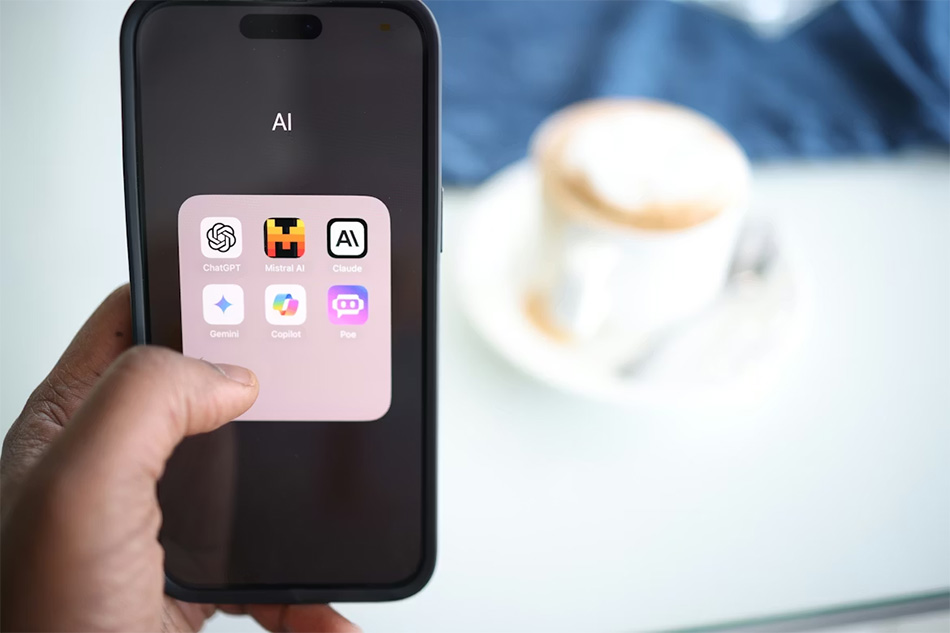
Copilot isn’t disappearing. Microsoft keeps it live on its website and its own mobile app. These versions match the WhatsApp experience. They even go further. The app and website add features WhatsApp never had. Microsoft claims these platforms deliver “ core features” and then some. It’s a push to drive traffic to Microsoft-owned channels. The company wants direct user engagement. No middleman. The move gives Microsoft tighter control over data, updates, and user behavior.
Features Lost and Gained
WhatsApp users lose easy access. That’s the bottom line. They can’t reach Copilot or ChatGPT through their normal chat interface. Some features will vanish. Integration with WhatsApp’s messaging tools is gone. But the Copilot app and website cover all major functions. Microsoft says some new tools are exclusive to these platforms. That means users get more options if they switch. The tradeoff: a less seamless, more app-centric workflow. Users must leave the chat to get answers. This adds friction to daily tasks. The days of instant, in-app AI help are over.
Microsoft’s Strategy Behind the Shift
This isn’t just about features. It’s about control and competition. By pulling Copilot and ChatGPT from WhatsApp, Microsoft cuts out a rival’s platform. The move reduces exposure to Meta’s ecosystem. It puts all AI traffic under Microsoft’s roof. Data stays with Microsoft. User habits shift to Microsoft’s apps. The company can update, track, and monetize AI tools without outside interference. This is a business decision, not a technical one.
Microsoft draws a line. Copilot and ChatGPT leave WhatsApp for good on January 15, 2026. The company wants users on its own platforms. WhatsApp loses two of the most popular AI integrations. Users face a choice. They can move to Microsoft’s app and website or lose access. The change isn’t about technology. It’s about who controls the user and the data. Microsoft made its decision. Now users must respond. The AI landscape inside WhatsApp shifts, and Microsoft stands to benefit. The experiment is over. Microsoft protects its turf. Users must adjust to the divide.