Meta Rewires Reality Labs: From Metaverse Bet to Wearable AI Push

Meta has started a sharp realignment of its Reality Labs division, and the message is blunt: virtual reality no longer sits at the center of the company’s future. More than 1,000 roles will go, roughly a tenth of the unit, as leadership redirects money and talent from metaverse projects toward AI-powered wearables such as smart glasses. The inescapable conclusion is that Meta wants products with nearer-term scale and clearer paths to daily use, even if that means shrinking the once-flagship metaverse vision.
From Metaverse Ambition to Wearable Reality
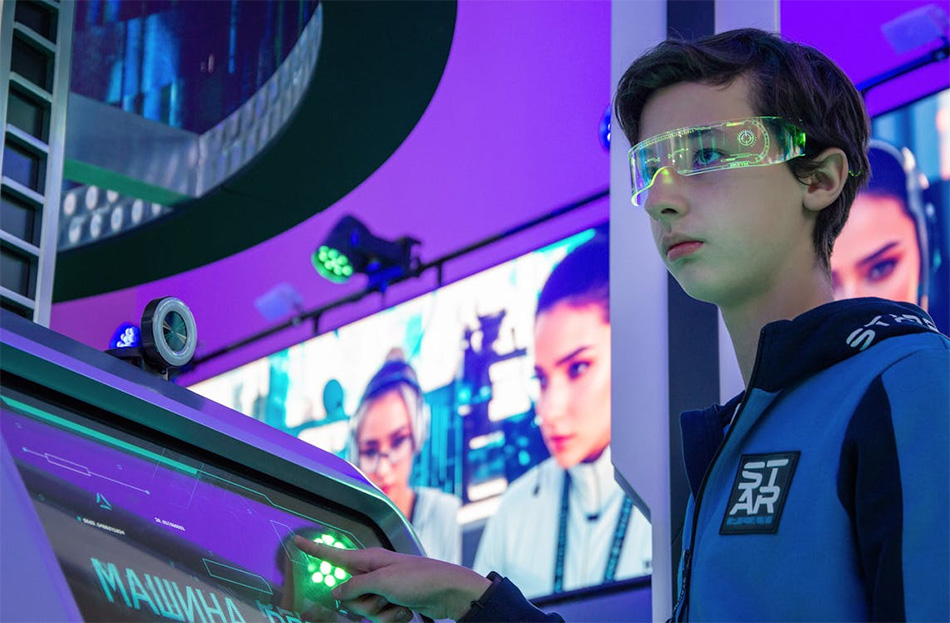
Reality Labs once symbolized Meta’s grand metaverse plan, from VR headsets to immersive software platforms. That era now looks smaller. The company openly states it’s shifting investment away from metaverse initiatives and into wearables, especially smart glasses that blend AI with everyday life. This isn’t a tweak; it’s a pivot from speculative virtual worlds to devices that sit on a face and offer direct, continuous engagement. The logic is simple: wearables can grow faster, reach a wider base, and lean on AI trends that already drive user demand and investor patience.
Layoffs and a Leaner VR Operation
The layoffs hit more than 1,000 Reality Labs employees, around 10 percent of a 15,000-person group. Leadership frames this as a move toward a “leaner, flatter” VR organization with a tighter roadmap. Translation: fewer big bets, more discipline. VR headsets and features will still ship, but with reduced funding and sharper prioritization. After more than $70 billion in Reality Labs losses since 2021 and limited revenue to show for it, the tolerance for sprawling, open-ended projects has evaporated. The new mandate centers on sustainability, not grand theory about virtual universes.
Horizon Shifts from Headsets to Mobile Screens
The metaverse software team, Horizon, sits right at the center of this reset. Instead of chasing fully immersive VR environments first, Horizon will now concentrate on mobile phone experiences. That change matters. Mobile offers a far larger user base and faster growth than VR headsets, so Horizon will “double down” on bringing its best experiences and AI creator tools to phones. In practice, that means teams and budgets move almost entirely to mobile. The metaverse, for now, becomes less about headsets and more about apps that can scale quickly on existing devices people already use daily.

Smart Glasses and the Wearable AI Bet
The most telling signal comes from Meta’s interest in AI smart glasses. Talks with EssilorLuxottica, owner of Oakley and Ray-Ban, reportedly aim to double production capacity to 20 million units by the end of 2026. That number screams ambition. Smart glasses promise constant, hands-free access to AI assistants and content, which turns them into a gateway for new services, ads, and data. After years of heavy spending on VR with slow adoption, Meta now treats wearable AI as the more realistic bridge between today’s mobile world and tomorrow’s ambient computing landscape.
Meta’s restructuring of Reality Labs doesn’t kill the metaverse dream, but it definitely demotes it. VR will continue, just smaller, sharper, and under more pressure to justify every dollar. The strategic spotlight now shines on AI-infused wearables and mobile experiences that can scale fast and prove value sooner. The company is betting that smart glasses and phone-based Horizon offerings will do what headsets alone couldn’t: move advanced computing from a niche experiment into a mainstream habit. The metaverse, if it arrives, may ride in on someone’s face, not on a bulky headset.