Into the fold: Tech rivals to bet big on flexing phones
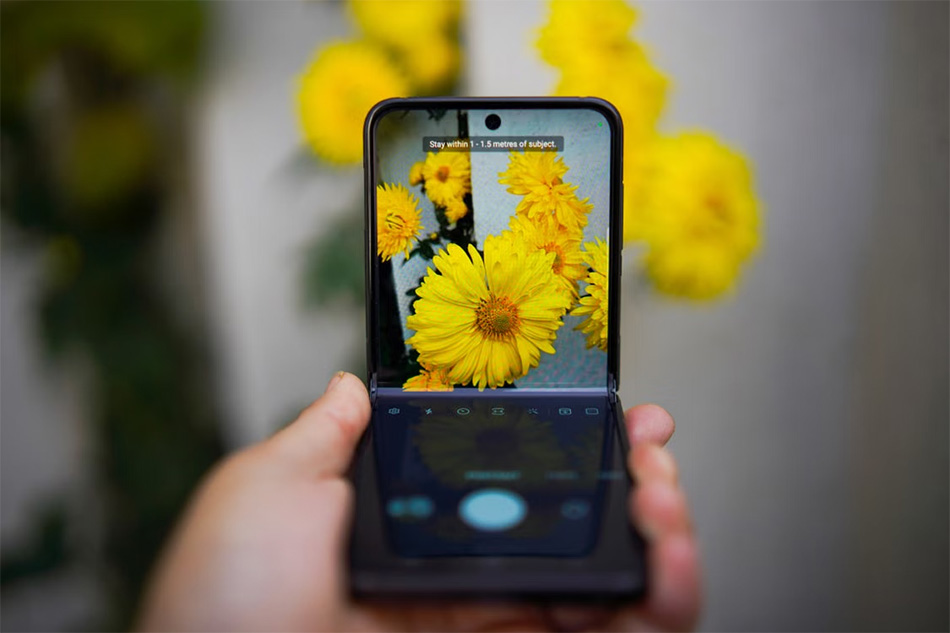
Foldable phones have lingered for years as expensive curiosities. That status now looks shaky. Samsung has expanded its range of devices that bend and flip, while Apple appears close to joining the category with its own folding iPhone. That pairing could change everything. When Samsung pushes hardware and Apple signals interest, a niche often turns into a proper market. The smartphone business has grown stale, with only small gains in design and performance from one year to the next. Flexible screens offer something rare in modern consumer tech. A visible shift in form, not just another spec boost. Price remains the biggest obstacle, and durability still matters more than flashy launch events.
Samsung presses ahead
Samsung’s London launch made one thing clear. The company wants foldables to move beyond gadget fans and into the mainstream. Its new line-up includes a tougher flagship with titanium support, a refined flip phone, and a shorter model aimed at social media use. This is not just design play. It is a push to give buyers different ways into the category. Samsung also says many buyers of its last folding flagship were new to foldables, which suggests the market is widening. The company is trying to turn folding phones from a prestige oddity into a standard premium choice. That is a hard shift, though not an impossible one.
Apple brings gravity
Apple has not launched its folding iPhone yet, though reports suggest it may arrive soon if production issues do not get in the way. Apple’s entry would give the category a huge lift in status. The company often enters markets late and changes public perception anyway. A folding iPhone priced above US$2000 would not create instant mass adoption. It would do something more important. It would make foldables feel legitimate to ordinary premium buyers, retailers, and app developers. Once Apple joins, the conversation changes. People stop asking whether folding phones matter and start asking which one deserves the money.
The cost problem
Price remains the category’s biggest weakness. Samsung’s new folding phones run from about $1949 to $3899 in Australia, which places them well above many standard flagships. That limits appeal fast. Most people do not need a phone that folds badly enough to spend several hundred dollars extra. Analysts are right to flag cost as the main barrier. Competition should help. More brands and more pressure on margins usually drag prices down over time. Yet lower prices alone will not save the category. Reliability matters just as much. A folding phone that feels delicate or wears badly will scare buyers away faster than any sticker shock.
A cure for boredom
The wider industry has another problem. Phones have become boring. Cameras improve, chips get faster, and screens brighten, yet the average slab phone now struggles to feel new. Foldables attack that fatigue with a physical change in how a device works. A phone that opens like a book offers a different experience for reading, multitasking, video, and gaming. Form changes habit. Samsung’s display concepts and smartglasses hint at a broader future of flexible and wearable devices. Some of that still feels distant. Foldables do not. They are here, functional, and increasingly polished. That gives them a real shot at pulling the premium phone market out of its creative slump.
Foldables are not about to replace every standard smartphone. Cheap, simple slab phones still suit most buyers well. The real change is happening at the top end of the market, where brands need a stronger reason to persuade people to upgrade. Samsung has committed serious energy to that mission, and Apple seems ready to add its own weight. Once both companies push in the same direction, rivals will chase them. Prices should fall. Designs should improve. Foldables do not need to dominate the whole industry to matter. They only need to become normal enough that buyers compare them with ordinary flagships rather than dismissing them as showpieces. That threshold no longer looks far away.