Huawei Advances Mobile AI with Antenna Innovation and Smarter Networks
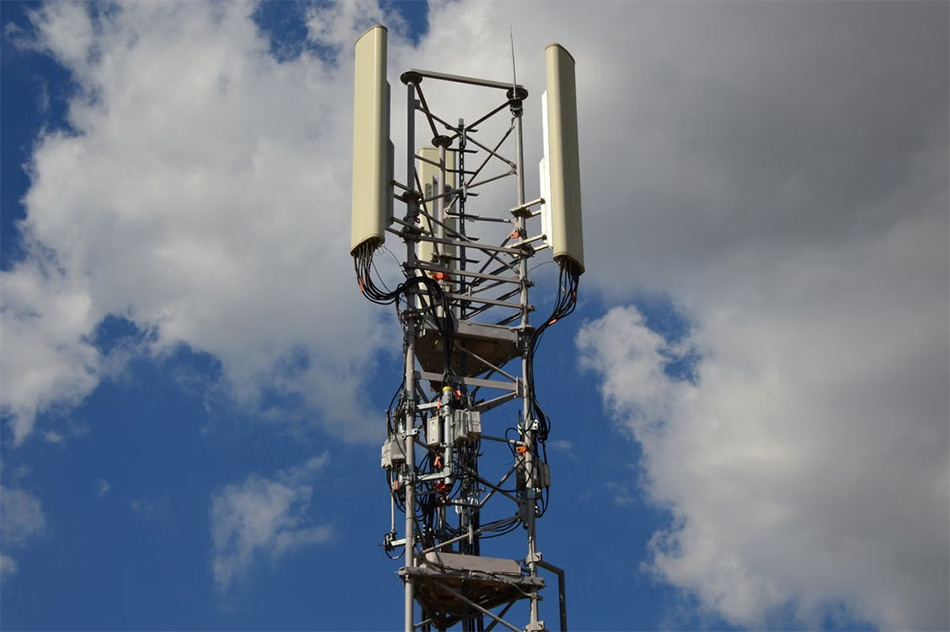
Ambition dominates every pixel of Huawei’s latest wireless showcase, a conviction that mobile networks need far more than another incremental tweak. The industry faces an avalanche. Wearables, glasses, robots swarm into public spaces, each hungry for bandwidth, instant reactions and connections that never stumble. The Shanghai event, Decoding China 2026, did not traffic in vague promises. Instead, demonstrations delivered gritty proof: wider coverage, smarter optimization, and the bones of future 6G visions. The new era isn’t an abstract leap. It’s hungry for practical answers: How to feed mobile AI when every device, every user, every enterprise expects assurance, speed, and a personal touch? Huawei’s answer is blunt. Uplinks must be strong, networks must think ahead and nothing about today’s infrastructure can be wasted.
Networks That Listen and Adapt

Technical bravado disappears if the network can’t handle chaos, urban canyons, subway tunnels, stadium crowds, empty fields. The core problem is blunt. Connection that dies at the edge or crawls under stress makes smart tech useless. No one’s asking for half measures. Huawei’s play is coverage that reaches dense blocks, basements, farmlands, all without missing a beat. This isn’t about bandwidth to amuse the bored. It’s about an AI robot covering a job site while crowds livestream events. Every environment demands steady coverage, strong uplink, and responsive capacity. Antennas and basebands aren’t static, they’re adaptive tools, matching resources to real-world needs by the millisecond.
VitaAAU: Antenna Powerhouse
Time for technical swagger. VitaAAU refuses to be just another wireless box. With 256 transmit and 256 receive channels, it’s ready to rewrite the network reach playbook. Most rivals sit at 1,024 antenna elements. VitaAAU doubles that, unleashing thousands of elements using RetinaMIMO. It stretches upper 6 GHz coverage so far it nips at C-band’s heels. Precision beams. Rapid sweeps. Three-dimensional design catches and keeps a user’s signal locked. Operators can reuse old sites. No need for teardown, just smarter deployment. In rough testing grounds like the UAE, VitaAAU has already hit 10 Gbps peaks. Not future fantasy. Operators get rapid, efficient expansion minus the usual rebuild nightmares.
Efficiency: The Silent Revolution
Power is the silent killer in mobile infrastructure. Bulky units guzzle electricity, heat up, demand regular replacement. Not to mention the environmental price tag. GigaGreen Plus is Huawei’s not-so-modest swipe at this legacy drag. By using materials designed for extreme heat and packing power-efficient amplifiers, the new units shrink gear and slash energy use. Operators get smaller equipment, faster site upgrades, and a winning story for sustainability skeptics. Practical? Absolutely. This is less about eco-marketing and more about making every dollar work harder, letting operators refresh sites instead of starting from scratch. GigaGreen Plus transforms each site into a more capable, lighter load for both grid and carrying crews. Actual upgrades that nobody needs a degree to appreciate.
Smarts Inside: OSCAR and UBBPi
Physical muscle only carries a network so far. Smarts must sit at the core. OSCAR is Huawei’s answer, software, chips, parallel logic syncing thousands of variables every blink of the scheduler. Decisions get made not in weeks, not even seconds, but inside every data interval, tracking who needs what, picking the perfect route every time. Tau’s Law in action, for those keeping score. UBBPi baseband hardware rides shotgun, reducing power draw, multiplying switching speed. Twentyfold jump in calculation power is nothing to sneeze at. This is the tech that shifts mobile AI from theory to daily grind, game streaming, robot guides, low-latency pro work all at once. Everyone claims AI-enabled. Only a handful deliver network brains with enough punch for the chaos of real cities.
Network technology no longer just hunts for the next flashy download number. Huawei’s latest moves show the priorities have shifted. Operators crave upgrades that add layers, not bulldozers. Antennas that genuinely work. Scheduling that leaves human reflexes in the dust. Modern wireless centers on delivering exactly what each user needs, no more, no less. From solitary sensors to crowds posting selfies, the promise is smart, waste-free allocation. The spotlight shifts to 5G-Advanced, the launchpad for 6G, where every device becomes a node in a thinking cloud. The winners? Those who make AI tangible, flawless uplink, vast coverage, agile resources, real networks that never doze.