Google Unleashes Willow: Quantum Computing’s First True Challenger to Classical Machines
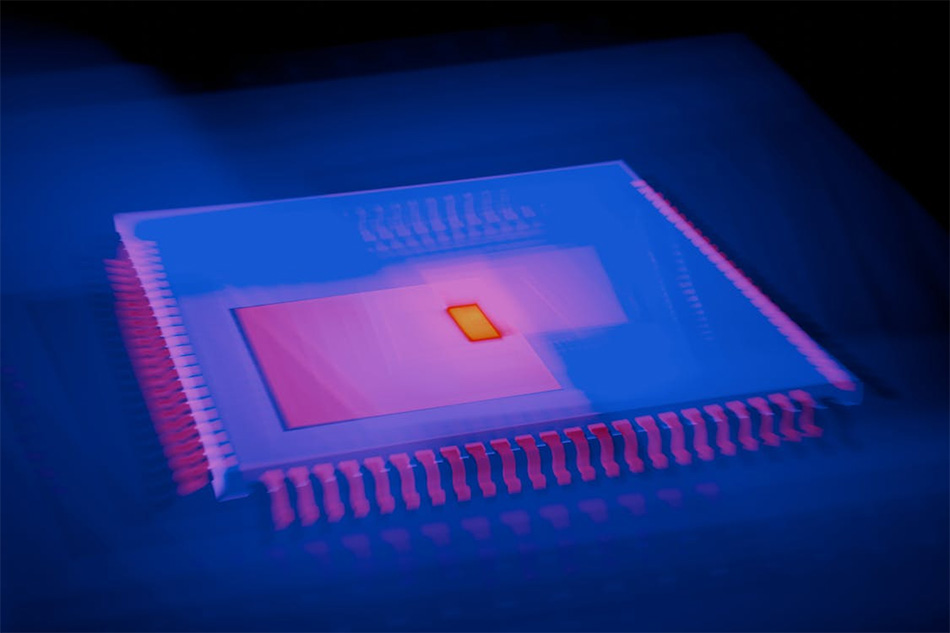
The curtain finally lifts. Google’s Willow quantum processor, the talk of tech circles, vaults past supercomputer benchmarks and shreds records in a way that feels almost unreal. Willow doesn’t just outperform old-school machines; it leaves them in the dust, hitting speeds 13,000 times faster than the best classical computers on record. The inescapable conclusion is clear: quantum advantage isn’t just a theoretical dream anymore. What Willow signals is the first real step toward quantum’s practical use. Quantum computing, long a science fair curiosity, now stands with one foot in the real world, ready to rewrite the rules across AI, chemistry, and medicine.
Willow’s Architecture: More Than Just Numbers
Willow brings more than hype. Its guts are 105 superconducting qubits, each acting as a kind of fake atom—except these aren’t stuck in rigid on/off positions. Instead, they thrive in a wild middle ground, holding multiple states at once and passing information instantly when entangled. That’s where magic happens. Google’s engineers forced Willow to operate at temperatures close to absolute zero, locking out chaotic vibrations and heat that would scramble ordinary chips. The raw stats—gate fidelities brushing against perfection, 99.97 percent for single qubits and 99.88 percent for entangling gates—don’t lie. That’s the kind of precision classical computing can only envy from afar.
Quantum Echoes: Proof, Not Just Promise

Forget vague claims. Willow’s power isn’t smoke and mirrors. Google pitted it against the Quantum Echoes algorithm, a notoriously tough nut that chews up classical supercomputers and spits out runtimes that stretch into the unfathomable. Willow didn’t flinch. The machine blitzed through calculations, delivering results that classical machines would need ages to produce. What really matters: every number, every output, could be checked and rechecked across multiple labs. No mystery, no hand-waving. Reproducibility isn’t just a bonus here—it’s the dividing line between wishful thinking and genuine scientific progress. Willow leaps that line.
From Science Fiction to Industrial Reality
Dreams of quantum-powered AI and drug discovery have floated around for years, always just out of reach. Now, Willow turns those dreams into blueprints. The chip can simulate chemical reactions, model new materials, and crunch data sets that would cripple even the beefiest classical supercomputers. In AI, the impact is obvious—faster, more efficient training, less reliance on brute-force data, and a path to smarter systems without endless energy costs. Willow doesn’t just open the door for scientists; it kicks it off the hinges, inviting real-world problems into the quantum lab. The world isn’t ready, but Willow doesn’t care.
Voices Inside the Quantum Revolution
The team behind Willow doesn’t talk like marketers. Nobel laureate Michel H. Devoret, the lead physicist, spells it out: electrical circuits acting like atoms isn’t a metaphor anymore—they’re doing it, for real, in the lab. Fellow researcher Tom O’Brien hammers home the point: if the data can’t be proven correct, it’s useless. Willow’s results aren’t just fast—they’re rock-solid, verified, reproducible. This isn’t a stunt for headlines. It’s a laboratory shaking off its training wheels, slamming credible, real-world results on the table. Science doesn’t need magic if it has this kind of muscle.
Quantum’s Next Chapter Has Begun
Quantum computing can’t hide behind buzzwords and hopeful theories any longer. Willow’s debut throws down a gauntlet to every classical computer and every laboratory still clinging to yesterday’s tools. The inevitable conclusion: quantum is entering the big leagues, and Google’s Willow stands as the proof. Industries built on heavy computation—AI, medicine, materials science—will need to adapt or get left behind. The safe, predictable days of classical supremacy are over. From now on, the conversation isn’t about “if” quantum computing will deliver. It’s about how fast it can change everything. And Willow’s already running.