Ericsson and the University of Toronto join forces to Advance -Next Generation AI Powered Mobile Technologies
Something important just shifted in Toronto. A global network equipment leader and one of Canada’s most influential universities signed more than a funding agreement; they set a direction for how mobile technology will grow in this country. Instead of chasing buzzwords, the collaboration points straight at real problems: how to make wireless networks smarter, more secure, and ready for 6G. With a three-year, $1M commitment and a clear focus on applied AI, advanced computing, and talent development, the partnership treats the campus as a living lab for the next wave of connectivity, innovation, and Canadian-led solutions in wireless.
A Focus on Real-World Wireless Challenges
Plenty of research partnerships talk about impact, then drown in theory. This one leans hard into field problems. The projects target AI-driven optimization of mobile networks, more efficient use of spectrum, and tougher security for critical infrastructure. Not abstract algorithms in a vacuum, but models that run on real radio hardware, real traffic, real constraints, and measurable performance targets. The goal is blunt: networks that self-learn, self-heal, and adapt on the fly to shifting demand. That kind of capability decides which countries lead the next generation of mobile, and which ones just buy the equipment later, far downstream.

Building a Stronger Canadian R&D Backbone
That $1M figure looks modest beside giant global R&D budgets, yet it plays a sharper role. It anchors more activity in Canada instead of letting the most advanced wireless work drift to other regions. Infrastructure upgrades on campus, joint labs, and shared testbeds give researchers access to near-commercial platforms and realistic deployment scenarios. Once that capability sits in Toronto, it pulls in more grants, more partners, more ambitious experiments, and more top-tier researchers. The Canadian ecosystem doesn’t grow by accident; it grows when companies like Ericsson decide that leading-edge wireless research belongs on Canadian soil and then act on that belief.
A Talent Pipeline, Not Just a Research Deal
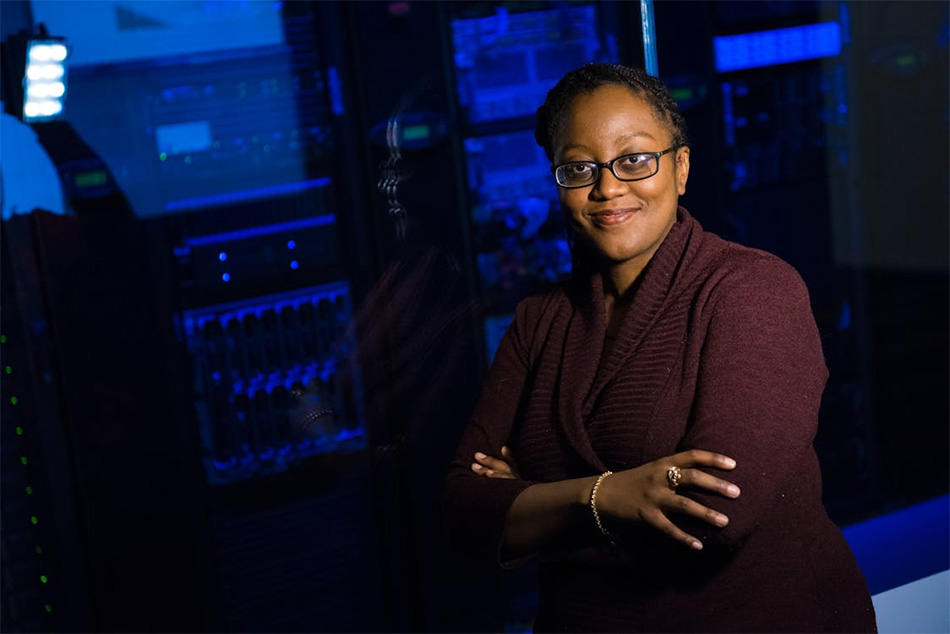
The real competitive asset isn’t just patents; it’s people who know how to build systems that work outside the lab. Here the partnership gets bluntly practical. Students gain exposure to industry-grade tools, real deployment constraints, and joint supervision from academic and Ericsson experts. That experience changes how they think about design trade-offs, reliability, and security. Graduates walk out already fluent in the problems carriers wrestle with daily. For the technology sector, this isn’t charity. It’s a direct line to engineers and researchers who can contribute on day one in AI-powered mobile and 6G development, across regions and industries worldwide.
Aligning Culture, Ambition, and Responsibility
Partnerships fail when cultures clash or ambitions drift. Here, the selection process did something smart: it matched a university known for applied, collaborative research with a company that treats innovation as core business, not marketing. That shared mindset matters when projects hit roadblocks, or when a promising idea needs extra risk tolerance and longer time horizons. There’s another layer: responsibility. As 5G spreads and 6G planning ramps up, questions about privacy, security, and societal impact grow louder. This collaboration sits in a place where technical excellence and policy awareness can meet, not pretend the other side doesn’t exist or matter.
What stands out isn’t just a ceremonial signing or a neat press quote about 5G and 6G. The signal is stronger than that. A major industry player has chosen to treat a Canadian campus as a core node in its global innovation grid, not a peripheral outpost. At the same time, the university gains a direct channel into real deployment realities, shaping research that doesn’t gather dust on a shelf. If the projects deliver as planned, Canada earns more than papers and prototypes: it gains staying power in the next era of AI-driven mobile connectivity and digital infrastructure at scale.