Clicks Communicator: A Deliberate Throwback For Serious Mobile Work
The smartphone market worships glass slabs and endless feeds, then along walks Clicks with… a keyboard. A real one. The company best known for bolt‑on keyboards is stepping straight into the phone arena with the Communicator, a $499 device that openly rejects the doom‑scroll. This isn’t a flagship killer; it’s a distraction killer, aimed at people who already juggle two phones and still feel cramped. The inescapable conclusion is simple: Clicks wants to turn the “second phone” into a focused work tool, not a smaller clone of the first. And it does that by reviving the most underrated feature in mobile history: tactile keys.
A Second Phone That Actually Acts Like One
The Communicator doesn’t pretend to replace the main smartphone. It leans into the second‑device role with almost stubborn clarity. The phone runs Android 16, but the experience stays tightly scoped: messaging, email, documents, and productivity tools. No social feeds, no casual gaming rabbit holes. Clicks teamed with Niagara Launcher to surface apps that matter for work—Gmail, WhatsApp, Telegram, Slack and similar tools—while ignoring the rest of the attention economy. That design choice turns the phone into a focused terminal for communication, not entertainment. For anyone managing work and personal lines, this finally gives the “work phone” a distinct identity, instead of just duplicating the same chaos on another screen.

Hardware That Treats Typing As A Core Feature
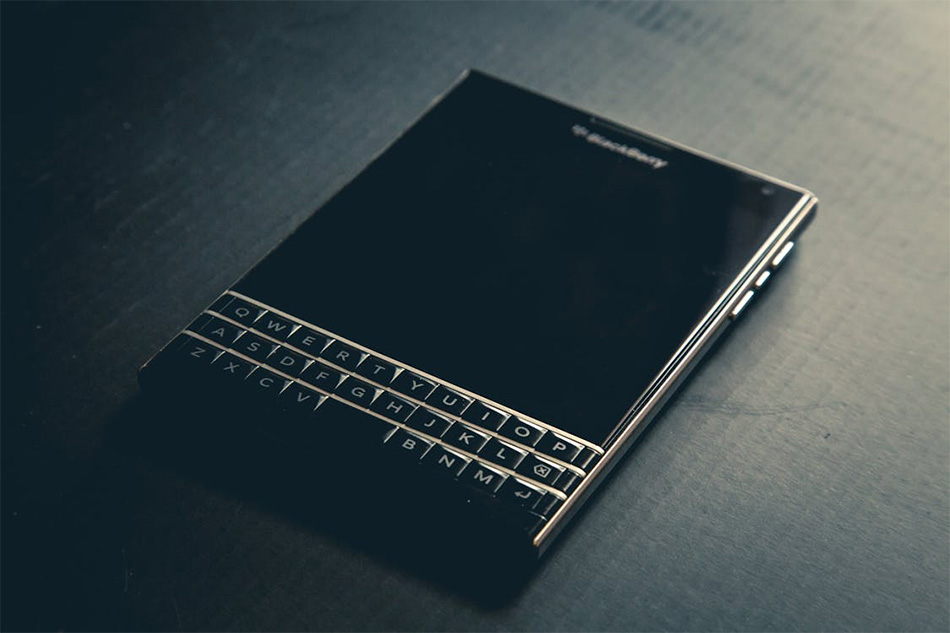
Clicks builds around the keyboard, not the other way around. The Communicator’s tactile, ergonomic keys sit front and center, designed for speed and accuracy rather than nostalgia cosplay. The keyboard is touch‑sensitive, so scrolling through inboxes, lists, and web pages happens by gliding over keys instead of smearing fingerprints across glass. Then there’s the Signal Light and Prompt Key on the side, a clever combo that turns alerts and input into something smarter. Custom colors and light patterns flag VIPs or specific apps at a glance, while a press of the Prompt Key lets users dictate messages or drop quick voice notes. It’s an unapologetic bet that serious typing still matters in 2025.
Old-School Features With Modern Specs
The Communicator reads like a quiet rebellion against feature removal. A 3.5 mm headphone jack returns, a physical SIM tray joins eSIM, and expandable microSD storage supports up to 2TB. There’s even a real switch for airplane mode that can also tie into the Signal Light or keyboard touch input. The back cover pops off, letting owners swap styles across Smoke, Clover, and Onyx, plus extra covers for those who jump on the $399 early‑bird offer. Under that retro‑friendly shell sit serious specs: global 5G support, a 4,000 mAh silicon‑carbon battery, 256GB onboard storage, a 50MP main camera with OIS, 24MP front camera, NFC with Google Pay, Bluetooth 5.4, Wi‑Fi 6, USB‑C, wireless charging, and five years of security updates.
Power Keyboard: Sliding Tactility For Everything Else
Clicks doesn’t stop at the Communicator. The new Power Keyboard targets the rest of the device universe with a simple idea: slide‑out keys for almost anything that has a screen. Phones, tablets, smart TVs, even AR/VR headsets can pair with this $79 early‑bird accessory. It attaches via MagSafe or Qi2 magnets, works with existing cases, and supports multiple slider positions so different phone sizes still sit comfortably in portrait or landscape. A built‑in 2,150 mAh battery keeps the keyboard running without draining the host device. Like the company’s other products, it offers tactile buttons and customization through the Clicks app on iOS and Android. Suddenly that tedious TV search field or headset login doesn’t feel like punishment anymore.
Clicks CEO Adrian Li points to more than 100,000 shipped keyboards across 100+ countries as proof that this isn’t a weird hobby project. The demand already exists; the Communicator just pushes it to the logical next step. In a market obsessed with bigger screens and smaller attention spans, Clicks is betting on something unfashionable: intention. A second phone that cuts noise, a keyboard that makes text work feel deliberate again, and a slide‑out deck that rescues every other device from clumsy typing. The signal beneath all the specs is hard to miss. Some people don’t want another toy. They want a tool that lets them think, type, and act without fighting their own phone.