China’s AI Race: Chips, Clusters, and the Power Play That’s Changing the Game
Nobody expected China to keep pace in the artificial intelligence arms race, not after the U.S. slammed the door on advanced chip exports and told Nvidia to pack up the best of its silicon. Yet here sits China, not just surviving but launching AI models that turn heads in global tech circles. The experts point fingers at homegrown innovation, cheap energy, and a willingness to scale up in ways that would make a Silicon Valley executive sweat. This isn’t the old imitation game. It’s something else entirely. The inescapable conclusion is clear: China’s AI strategy is rewriting the rules.
Huawei’s Unorthodox Gambit
Forget the idea of a one-to-one chip battle between Huawei and Nvidia. On paper, Huawei’s Ascend series can’t touch Nvidia’s performance per chip. That’s not where the fight is happening. Instead, Huawei takes a different path—one that relies on massive clusters, hundreds of chips working together in a tightly coordinated dance. The CloudMatrix 384, for example, strings together 384 Ascend 910C chips. Compare that to Nvidia’s system, built around only 72 GPUs. The numbers seem almost absurd, but this is the logic: if the best chips are out of reach, just use more of what’s available. That’s the kind of brute-force approach that transforms a hardware disadvantage into a new kind of advantage.
The Energy Equation Rewritten
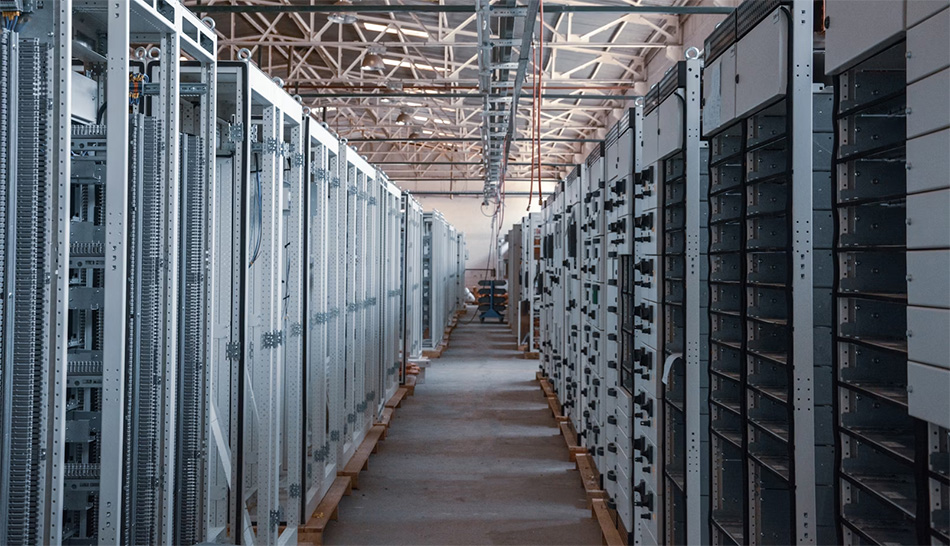
Of course, linking five times as many chips comes at a cost. Power consumption shoots through the roof. Here’s where China’s energy landscape shifts from a footnote to a headline. Nuclear, wind, solar—China has poured resources into them all, creating a grid that can handle the demands of these sprawling AI clusters. Cheap, abundant energy doesn’t just help; it turns an otherwise inefficient system into a practical one. In the U.S., this kind of power bill could kill a project before it starts. In China, it’s just another line item. The result? A country that can afford to run AI infrastructure at a scale others only dream about.
Policy as Jet Fuel
Nothing in this story happens by accident. Beijing—plus a chorus of local governments—pushes hard to make AI development easy. Subsidies, vouchers, discounts on computing power. Cities like Shanghai and Shenzhen toss out incentives to attract AI projects and data centers. The message is unmistakable: build here, use domestic chips, and the state will soften the edges of your balance sheet. Reports of local governments slashing electricity bills for data centers using Chinese hardware are just the tip of the iceberg. This isn’t just a tech contest. It’s policy, strategy, and economics pulling in the same direction, and the effects ripple across the industry.
Self-Sufficiency as Strategy
Cut off from the best foreign chips, China pivots instead of folding. The push for self-sufficiency isn’t just about tech bragging rights—it’s national security, it’s economic stability, it’s a hedge against future sanctions. Domestic giants from Alibaba to DeepSeek roll out AI models trained on local hardware, refusing to let restrictions set the ceiling. The result is a parallel ecosystem that evolves quickly, adapts, and learns to do more with less. Is it a perfect solution? Not yet. But the speed at which Chinese firms close the gap is enough to unsettle even the most confident Silicon Valley veterans.
The story used to be simple: the best chips win, the rest follow. That narrative no longer fits. China’s AI surge, fueled by a blend of inventive hardware solutions, cheap energy, and aggressive policy support, signals a fundamental shift. The country no longer waits for access to the world’s top technology. Instead, it builds its own, scales it wide, and powers it up with energy resources few can match. The implications stretch far beyond semiconductors. What this truly signals is a global AI landscape where innovation isn’t just about having the best parts—it’s about making the whole machine move, no matter the obstacles.