ASUS ProArt at Pier59: Creator PCs and Local AI
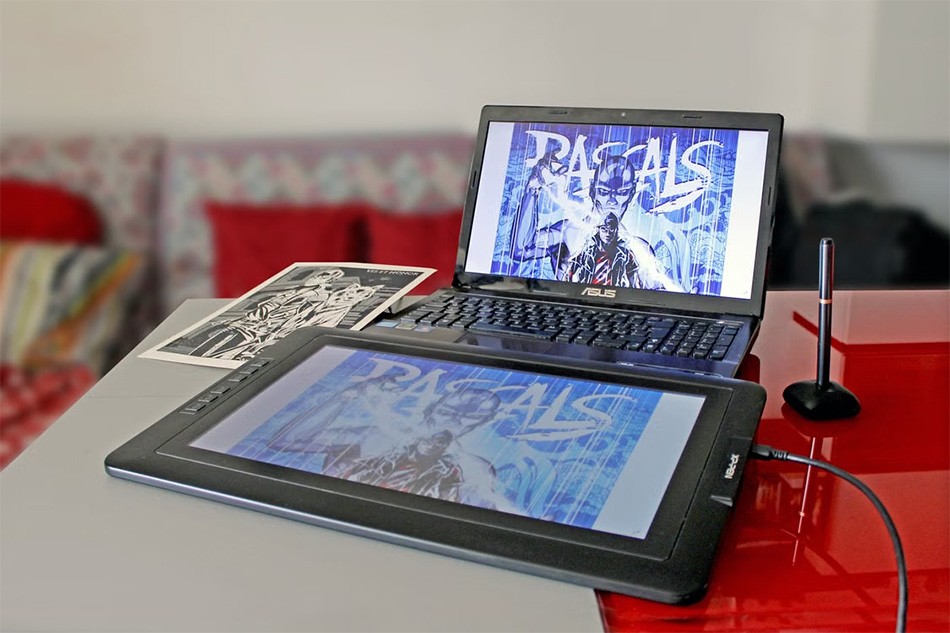
October breathes sharper in Manhattan, everyone knows that. On the twenty-first, Pier59 Studios belonged not to fashion or art-world insiders but to ASUS ProArt and the strange new wave of creative computing. Sparks fly tighter when hardware and wild ambition crowd a single industrial cube. Tech My Money, busy as always, rolled into the Creator Connect with cameras, questions, a mild caffeine dependency, and a distinct sense that something was shifting. Creator laptops lined up like eager students at a science fair. A compact desktop exposed its guts, more sculpture than simple tool. Ideas about what creative power meant did not merely shift, they fractured. Is local AI really the answer? The crowd clustered around cooling fins and display walls, hungry for proof.
A Room Thick with Questions (and Copper Heatsinks)
Forget sterile conference energy. Pier59’s vaults flickered with oversized screens, loose wires, and a crowd stuck halfway between awe and skepticism. It wasn’t just the hardware’s size or shape. The GR1X sat exposed, its copper heatsink glinting beneath bright lights, next to a fan-laced board daring the audience to look closer. One presentation pivoted to ComfyUI, live, walking through local AI workflows like a culinary show but for models and memory limits. The atmosphere? Tangible curiosity. People stood close, too close, measuring, filming, speculating if what ASUS had laid out was truly different, or just another toy for tech journalists. That board on the table didn’t produce art yet. It produced conversation.
Local AI: MuseTree, StoryCube, and the Quest for Control
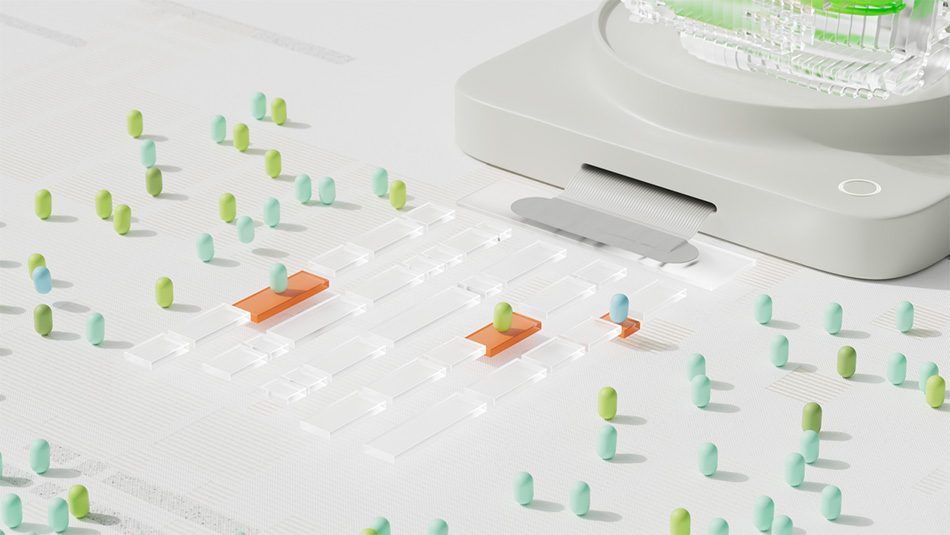
Names matter, even silly ones. MuseTree, ASUS claims, generates local images and videos using FLUX and Wan models. StoryCube organizes scenes, sorts footage, a digital librarian in a software cloak. Neither app works from thin air. Both live on the raw force of the system’s silicon, shaped by choices of model size, memory, and quantization. ASUS dangles an idea: creators should not need the cloud. Decisions, risks, mistakes, all kept close and private. The RTX Spark framework ties ComfyUI and Hermes Agent into the mix. Agents that help or meddle, depending on perspective. Everything physical, immediate. Yet not everyone trusts it. Hardware costs. Most will ask if that faith in local AI ever pays off.
Laptops for Makers: ProArt P16 and P14 Arrive
No creative event works without machines to anchor the spectacle. ASUS brought ProArt P16 and P14 laptops, Windows-powered and sharp-edged, wielding up to 128GB of unified memory in select configurations. OLED touchscreens flickered at 120Hz, showing color so pure it nearly bites. P16 dials resolutions up to 4K, P14 chimes in at 3K, all blindingly smooth. Starting prices raise eyebrows: $2,799.99 and $2,599.99, in theory. Retailers will do what they always do, change numbers as they see fit. Configurations at Pier59 remained a guessing game. Were those demo models the same as the high-spec Amazon listings? No one could say for sure. The audience drifted, fingers tapping, waiting for certainty.
GR1X and the Battle for Compact AI Desktops
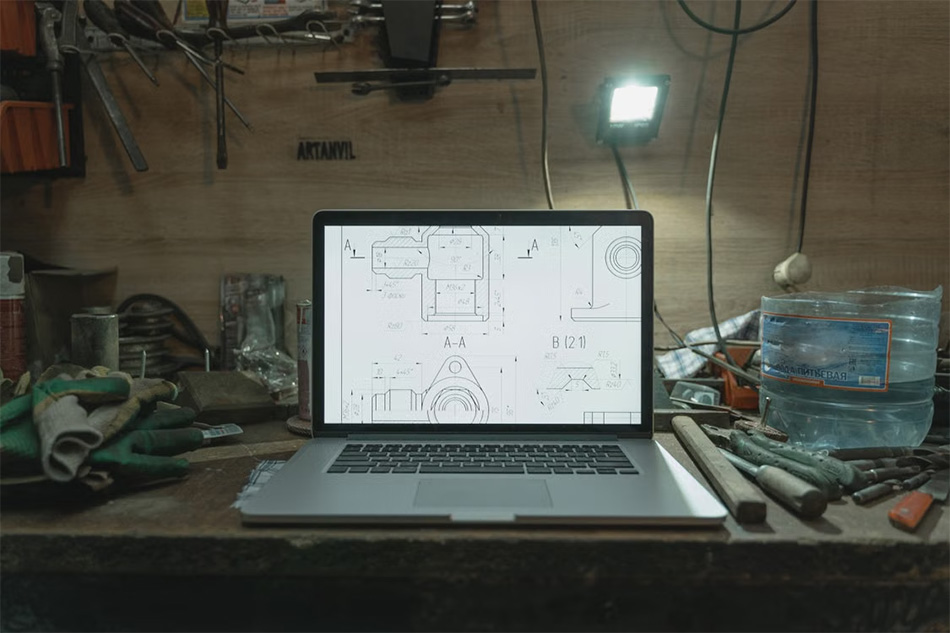
The GR1X doesn’t hide behind glossy shells. ASUS split it open on the table: board here, coolers there, copper shouting from the middle. Try fitting big power into a box smaller than a hardback novel, 150 by 150 by 51mm, if anyone’s counting. Blackwell RTX GPU, Grace CPU, wild specs for a hushed chassis. This is a machine meant for creators who refuse remote servers, who want FLUX or Wan models running in plain sight. Every part served up visibly, not via abstracted benchmarks or spec sheets, but hardware breathing for the crowd. Whether this approach crushes rivals like the beefy GX10 (Linux-based, out of stock, priced in vapor) remains unknowable. What’s clear: small doesn’t mean weak anymore.
What happened at Pier59? Not just shiny launches or hype, but real debates. The local AI promise excites and sparks friction. ASUS insists power should sit on the desk, not hide in a distant data center. Laptops like P16 and P14 prove strong memory and display tech can push users past excuses. The GR1X takes this even further, physical, bold, unapologetic. Some visitors left convinced the future is hands-on, metal and copper. Others fixated on new risks in keeping this power close. Call it marketing spin or a real challenge to cloud-crazed models. Either way: the dare stands.