As AI grips world, the thrill of collecting vintage computers is growing
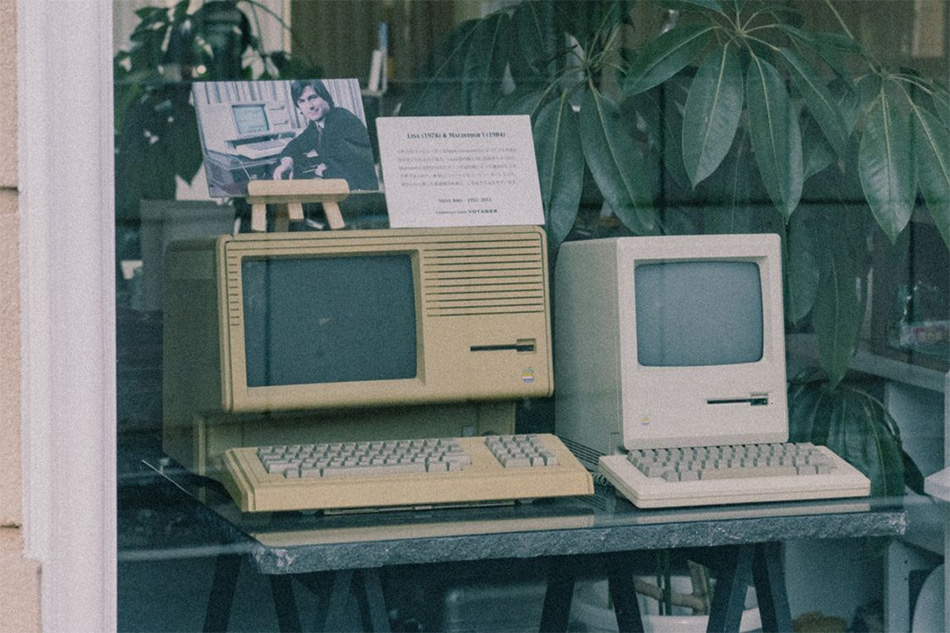
Artificial intelligence now swallows headlines, budgets, and boardroom fantasies. Every week brings another promise that machines will write, predict, diagnose, and slide into daily life. Against that roar, a curious countercurrent has gained force. More people now hunt for aging keyboards, beige plastic cases, clacking disk drives, and the stubborn circuitry of early personal computers. This is not nostalgia alone. The deeper appeal comes from contact with a machine that reveals its logic instead of hiding it behind polished glass and cloud services. Vintage computer collectors are not merely hoarding old gadgets. They are preserving the physical grammar of the digital age.
Why They Matter
Collectors often point to one pleasure that modern computing rarely offers. A vintage machine can be understood from top to bottom. That phrase explains almost everything. Many new devices arrive sealed, locked down, and abstracted behind layers of software so thick that the user never meets the machine itself. An old Atari, Commodore, or IBM system offers a different bargain. The parts are visible. The limits are obvious. Repair becomes education. Ownership becomes stewardship. A collector who revives a failing board or tracks down a dead power supply does more than fix an object. That person reconstructs a chapter of technical history with hand tools and patience.
Gathering the Faithful
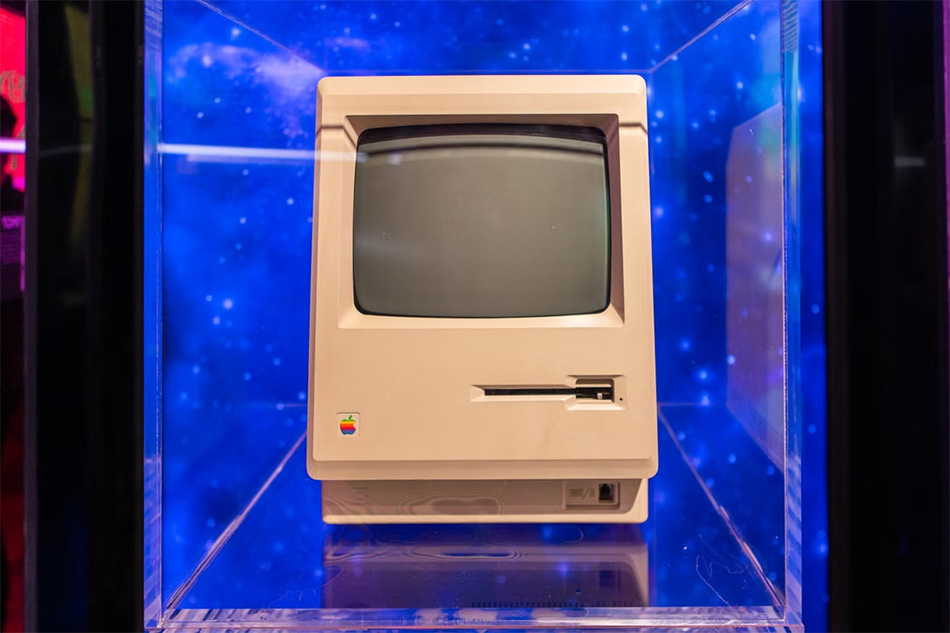
A private hobby becomes a culture when people gather around it, and vintage computer festivals have done exactly that. Events run by groups like the Vintage Computer Federation have turned scattered enthusiasts into a public community. The draw is not just rare hardware on display. Visitors can see machines running, hear startup tones, watch old operating systems crawl to life, and even play games built long before the internet shaped attention spans. One festival in Mountain View drew thousands and tied the hobby to Apple’s 50th anniversary. These events also create a marketplace of memory and mechanics, where people trade parts, swap repair advice, and, with predictable lack of restraint, buy more equipment to take home.
Machines With Lineage
Nothing captures the collector mindset better than the rescue of a machine like the Xerox Alto. Here sits one of the true ancestors of modern computing, a system that helped shape the graphical interface, the mouse, and the visual language later turned into mass-market products. A restored Alto, with its vertical monitor, chunky peripherals, and giant storage media, makes history physical again. That matters. It shows that many ideas praised as breakthroughs had earlier, rougher lives in research labs. The collector who spends years reviving such a system performs a kind of historical surgery. Each repaired component returns a buried idea to motion.
Passion Has Weight
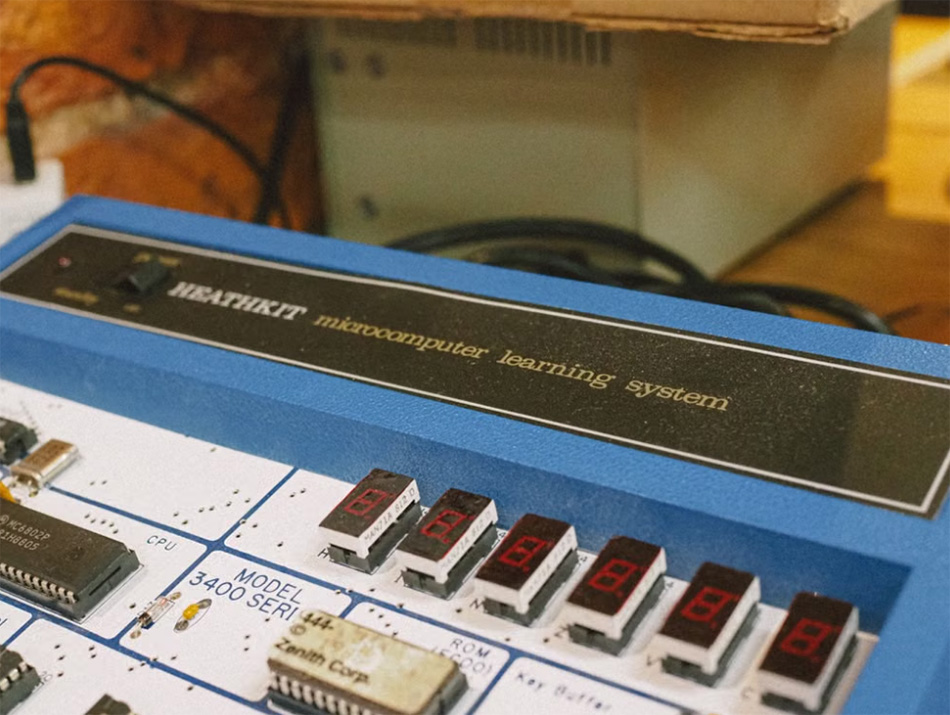
Every collecting culture carries a shadow. Vintage computers take space, demand maintenance, and attract obsession with comic efficiency. One machine becomes five. Five becomes fifty. Closets vanish, garages surrender, and family patience wears thin. Some serious collectors have scaled back after realizing the hobby had become an albatross. Prices add another problem. Rare systems such as the Apple-1 can command astonishing sums, which invites speculation and can warp a culture built on curiosity and repair. Yet growing demand also shows that more people now see these machines not as scrap, but as artifacts. The healthiest part of the community keeps the mission clear. Preserve first. Boast later.
The rise of vintage computer collecting during the age of artificial intelligence makes perfect sense once the noise clears. The more modern technology turns invisible, predictive, and remote, the more some people crave machines they can touch, diagnose, and truly know. This is not rebellion against progress. It is a demand for continuity. Early computers still have lessons to teach about design limits, engineering choices, and the long chain of ideas behind present-day systems. Collectors preserve more than hardware. They preserve the feeling that computing was once legible, local, and gloriously imperfect. A culture obsessed with the next release often forgets the old machine on the shelf that made the next release possible.