Apple announces new Mac Mini and Mac Studio models with AI upgrades
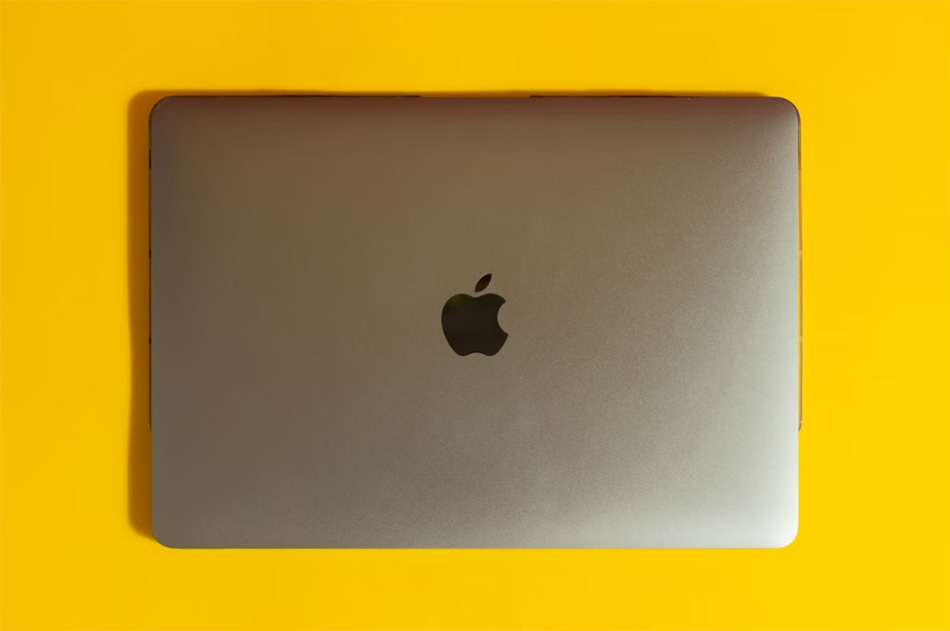
Apple has spotted a shift in computing and moved fast. The new Mac Mini and Mac Studio are not routine updates. They answer a real change in how people use desktop machines. AI work has turned small computers into serious tools for local models, agents, and testing. That matters because cloud services cost money every hour and often add delay, friction, and privacy worries. Apple also needs a stronger place in the AI discussion, and desktops give it one. The company can show off its chips, memory design, and tight hardware control in a form that developers actually want to buy. That is the core point. These machines are less about flashy headlines and more about practical work.
Why Desktops Count
Desktop launches once felt dull. That has changed. Developers building AI agents often want a machine nearby that stays on, runs jobs, and avoids constant cloud fees. The Mac Mini fits that need well. It is small, quiet, and easy to dedicate to one purpose. Leave it running. Test workflows. Host local tools. The Mac Studio pushes the same logic further for heavier AI tasks. Researchers and advanced users often want local power for experiments, deployment, and quick iteration. This is not nostalgia for desktop computing. It is a mix of cost control, privacy, and direct access to hardware. Apple has read that shift correctly.
Chips at the Center
The chip is the real story. Apple said the Mac Mini can now use the M6 and M5 Pro, with the M6 marking the first computer in that generation. That signals confidence. Apple wants the Mac to act as a stage for its newest silicon. The 2-nanometer process from Taiwan Semiconductor Manufacturing Co should help with speed and efficiency, which remains one of Apple’s strongest advantages. Apple also stressed its neural engine and unified memory design. Good reason. AI tasks depend on more than raw processor speed. Dedicated model hardware and smart memory flow can remove the bottlenecks that make local work feel slow and clumsy.
Local AI Appeal
Apple’s sharpest claim is simple. Developers can run and fine-tune large AI models locally on a Mac. That promise carries real weight. Local AI can keep sensitive data on the machine, cut latency, and reduce cloud spending. For developers using tools like OpenClaw, that changes the economics of experimentation. The Mac Mini starts to look like compact infrastructure rather than a basic consumer desktop. The Mac Studio serves people who need more room for serious workloads. Apple usually prefers control and polish over chaos. In this case, that approach may help. When the chip, operating system, and AI frameworks line up well, the machine becomes easier to trust.
A Timed Signal
The timing matters. Apple made this move just before expected iPhone launches, which suggests a broader message. AI is not only a phone feature for Apple. It is a hardware strategy. Phones may grab attention, but desktops can build trust with developers and researchers. Apple also needs a firmer place in the AI market, where louder rivals often dominate the conversation. The Mac line gives Apple a calmer, stronger answer. It shows that AI development does not have to live only in distant data centers. Sometimes the useful future sits on a desk, ready to run real work without drama.
These machines show Apple making a practical bet. The company is not chasing AI hype with empty spectacle. It is pushing hardware that can help developers, researchers, and creators do useful work locally. That may sound less exciting than splashy demos. It also sounds more durable. The Mac Mini and Mac Studio now represent a new phase for desktop computing, one shaped by local models, agent software, and the hard limits of memory and chip design. Apple sees that a dedicated machine for AI tasks can hold real value. Serious buyers care about what runs well, what stays private, and what costs less over time. On those points, this update lands with force.