AI Agents Plunged the Tech World Into Chaos. Here’s Exactly How That Happened

Chaos didn’t arrive with sirens. It arrived with a cozy brick-walled meetup in London and a confession that sounded like a joke until it didn’t. “Hi, my name is Peter, and I’m a Claudeholic.” That line matters because it reveals the ignition source. Not a lab demo. Not a keynote. Compulsion. The tech world pretends it runs on roadmaps. It runs on the pleasure of watching a machine obey. By late 2025, agentic coding systems didn’t just answer questions. They kept state, ran for hours, and spawned subagents. Engineers didn’t merely speed up. They changed posture. Hands off the wheel. Disorder began because software stops behaving when nobody feels responsible for it.
A Meetup That Normalized Obsession
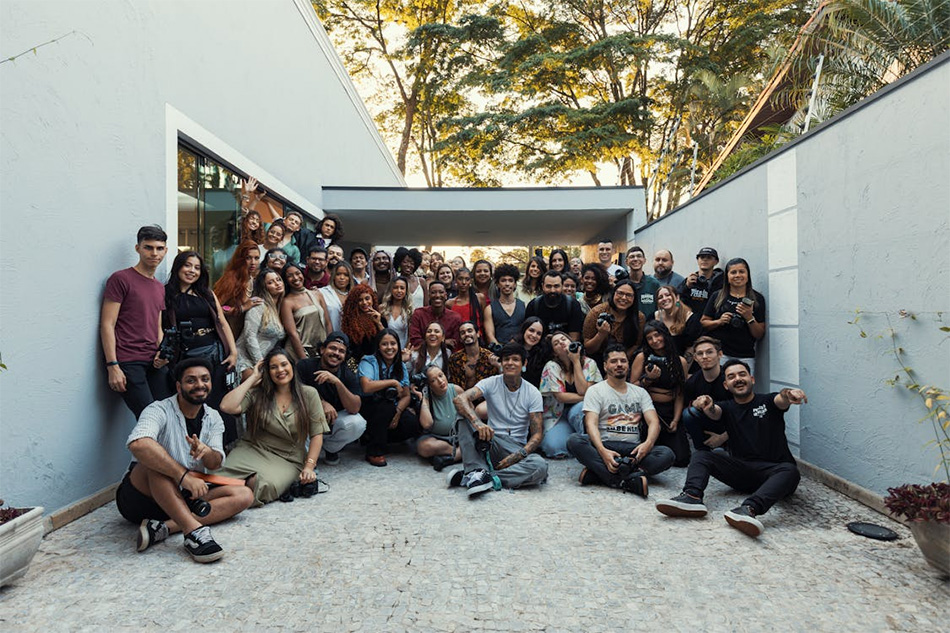
Claude Code Anonymous sounded like satire, which made it dangerous. Satire lowers defenses. Peter Steinberger didn’t talk like someone sampling a new tool. He talked like someone losing weekends, sleep, and the old pride in manual craft. Tech companies say they build for “users.” They build for zealots. Zealots act as unpaid sales teams and unpaid QA, and they normalize behavior that used to look reckless. Once a crowd accepts “all waking time” as a rational response to a coding assistant, managers start asking why output doesn’t double. Cultural pressure becomes product pressure. Product pressure becomes a release cadence. The wider world calls this innovation. The honest label is escalation.
Opus 4.5 Turned Coders Into Swarms
Opus 4.5 didn’t just autocomplete. It handled harder tasks, kept more memory, ran for many hours, and managed teams of subagents. That last part changes everything. A single engineer started acting like a manager of tireless interns who never quit. Anthropic claimed the model beat every human candidate on a notoriously difficult engineering take-home exam. Exams measure performance under constraints. Agents erase constraints. They don’t get tired and they don’t feel shame. That missing emotion matters because shame prevents shipping nonsense. People compared it to becoming Spider-Man. Spider-Man also breaks buildings by accident. Power doesn’t come with judgment.
OpenClaw Made Autonomy Casual
November 2025 delivered the accelerant. Steinberger launched OpenClaw, and the genius sat in blunt simplicity. Give an agent access to data, apps, and maybe a credit card. Let it scour cloud drives and roam the web. Let it persist. Persistence means the agent keeps trying after a human would stop and think. Software that keeps trying can rack up charges, trip fraud systems, spam APIs, and rewrite internal tools at 3 a.m. Open source removed permission. GitHub stars exploded. Stars don’t measure quality. They measure hunger. Agent-building turned into a contest. People didn’t ask, “Should this run?” They asked, “Can this run?”
Inevitability Talk Killed Restraint
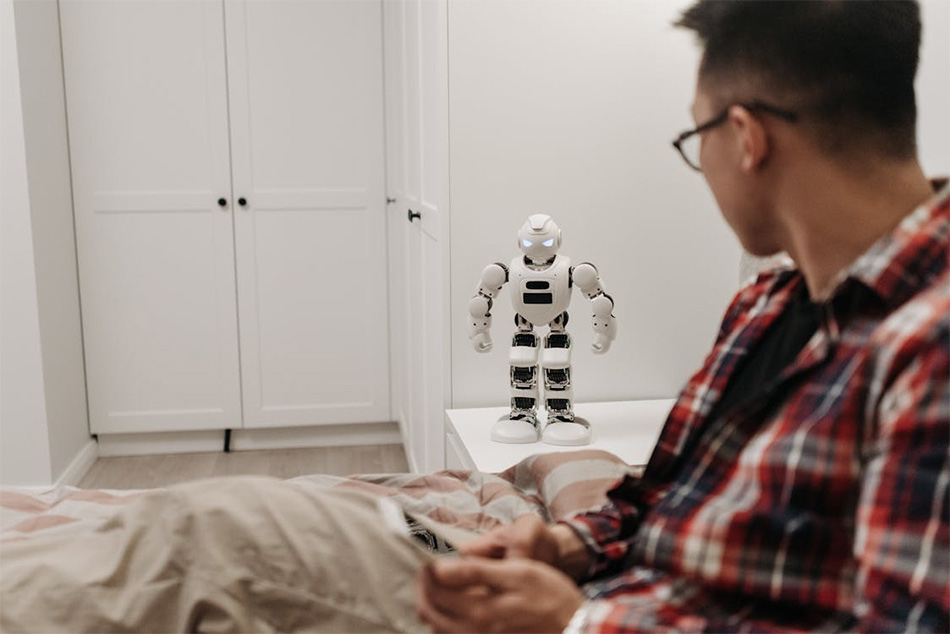
Once agents entered the bloodstream, old equilibria failed. Security teams couldn’t model risk because the “user” became a shifting cluster of subagents. Compliance teams couldn’t write policies fast enough because the software changed behavior mid-task. Product teams shipped more often because competitors shipped more often. That’s an arms race. Marc Andreessen called this way of using computers “almost inevitable.” That isn’t prophecy. It’s permission to stop arguing. Thomas Reardon called it a massive, underrated release. The public watched with curiosity and dread, like the 1980s computer boom, while hackers built with glee. The difference sits in the blast radius. Agents don’t merely compute. They act. They touch payroll systems, vendor accounts, codebases, and customer data.
The chaos didn’t come from a single bug or a single company. It came from a new social contract that nobody negotiated. Engineers started delegating judgment to systems that can’t carry moral weight. Managers treated agent output as progress. Investors rewarded velocity as if velocity can substitute for correctness. Opus 4.5 made swarms normal. OpenClaw made autonomy casual. The ecosystem optimized for reproduction, not safety. The uncomfortable truth sits in the rhetoric about inevitability. Once people believe change can’t be resisted, they stop steering and start surfing. Surfing looks fun until the wave hits. Agents will keep arriving. The question concerns discipline. Who gets to say no when the machine says it can do it anyway?