Adobe Lightroom mobile can now open closed eyes in photos with a simple tap
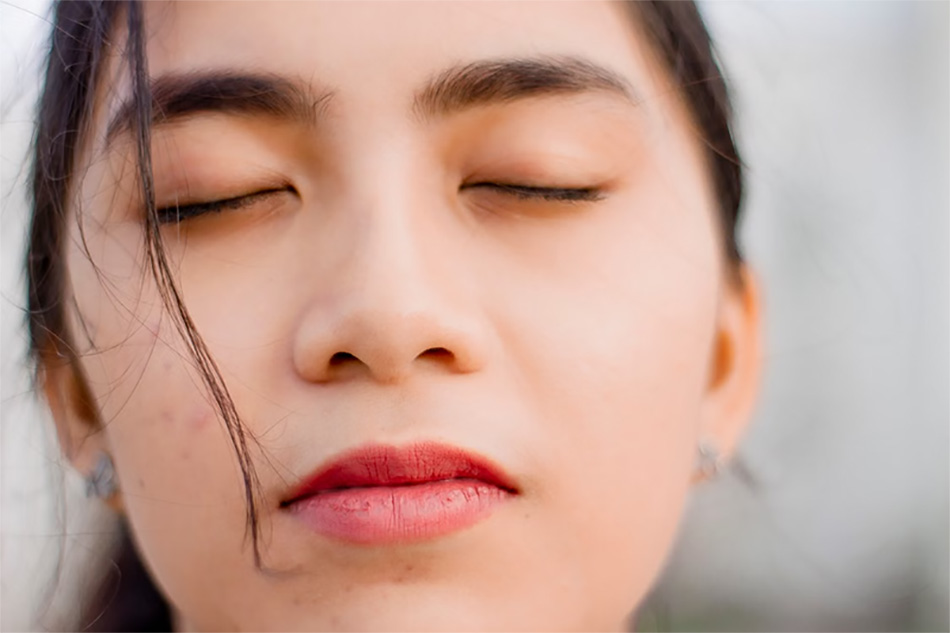
Blame the blinking reflex. It happens every time a group aims for the perfect shot. Someone always blinks. Every. Single. Time. Call it the old enemy of amateur photographers. For decades, that single twitch doomed otherwise flawless images to digital purgatory. Manual edits could fix it, but nobody wanted to spend the evening fiddling with pixels, and hiring a professional for every group photo remains ludicrous. The secret wish under every shutter click has always been this: just make their eyes open. Technology promised miracles for years but usually delivered clunky tools or jarring Frankenstein faces. Yesterday, the rules shifted. Artificial intelligence barged in, demanding attention and bringing something absurdly close to magic, a fix that actually works, and fast.
How the One-Tap Magic Works
Nothing mystical about the process, though the results could fool a wizard. Once Lightroom mobile spots closed eyes in a photo, up pops a new icon, a subtle, almost mischievous button floating above the image. Tap it, and the AI gets to work. Not content with slapping generic or stock eyes onto a person’s face, this system crawls other shots of that same person right in the user’s photo library. The open-eye swap matches not only color but the exact contour and mood. Soft shadows? Glasses? Unique eye-shape quirks? Consider those handled. The app sifts through memories so quickly, so efficiently, that the old days of painstaking selection and manual cloning look positively medieval. One second, closed lids. The next, subject alert and bright-eyed, lighting and expression intact as though no blink happened.
Why Photoshop Never Quite Nailed It
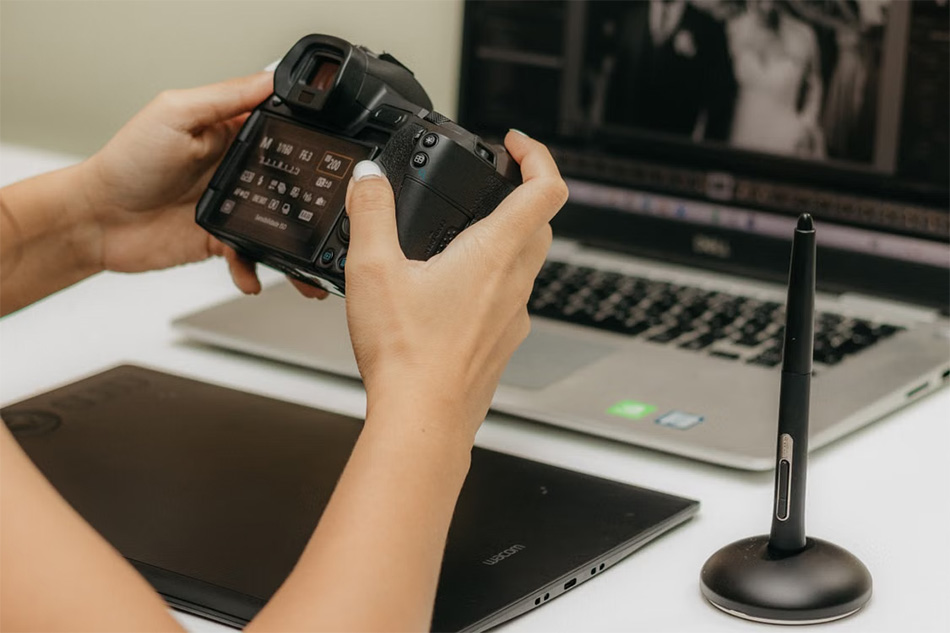
History can’t be erased, but it can be rewritten, especially with software. Photoshop Elements dangled an open-eyes feature almost a decade ago. The problem? It needed a backup photo, another shot where the subject’s eyes stayed open. That worked, sometimes, if the backup matched perfectly. Spoiler: it rarely did. Variations in lighting, awkward head tilts, changing wardrobe, resulting images sometimes looked like digital ransom notes patched together by an impatient intern. Generative AI changes the field. No longer stuck Frankensteining body parts between photos, new algorithms create seamless fixes from the original image and a bank of digital memories, preserving dignity and dodging accidental horror-movie slipups.
Instant Gratification With a Catch
Speed seduces, but in this case, there’s a catch lurking just under the glossy finish. Adobe hands out two free Open Eyes tries before the software starts dropping friendly, insistent hints that it’s time to reach for a credit card. Anyone shooting groups regularly faces a hard choice after two edits. Subscribe to a Creative Cloud plan or give up the digital magic. No surprises. Free tastes lure users, subscriptions keep the lights on. Still, two full chances to fix a photo is more than many apps offer before hiding the good stuff. That first fix almost guarantees the rest will follow. Is it worth the price? Convenience always extracts a toll.

AI’s Photographic Evolution Continues
Every year brings some flashy new AI tool, most fizzling out after a blast of hype. Not this time. AI-generated repairs for common photo flaws have reached critical mass: noise reduction, object removal, sky swaps. Now, open eyes. Each one edges closer to an era where the line between candid imperfection and orchestrated memory gets fuzzier. Will photography lose its soul? Some claim it’s digital heresy, bending reality for a clean album. Others shrug, grateful for one less groan during holiday slideshows. Photographers gain more power. Genuine moments get polished, maybe even perfected. The world will not turn back.
Forget the illusion of untouched photography. The hunger for perfectly staged photos never ends. Now, the tools just keep getting smarter, and the basic fix, opening accidentally closed eyes, barely registers as wizardry anymore. It’s routine. AI lets regular people rescue split-second moments once ruined by a simple twitch. Is this cheating? Critics argue. The smarter question: who’s keeping score? Double-blinked eyes no longer doom a portrait. The cliché becomes fact, everyone looks their best, and editing reality slips into habit. Pressure will only build. Opening closed eyes is only the beginning.