Your car and its mobile app are probably handing over all kinds of data to tech companies
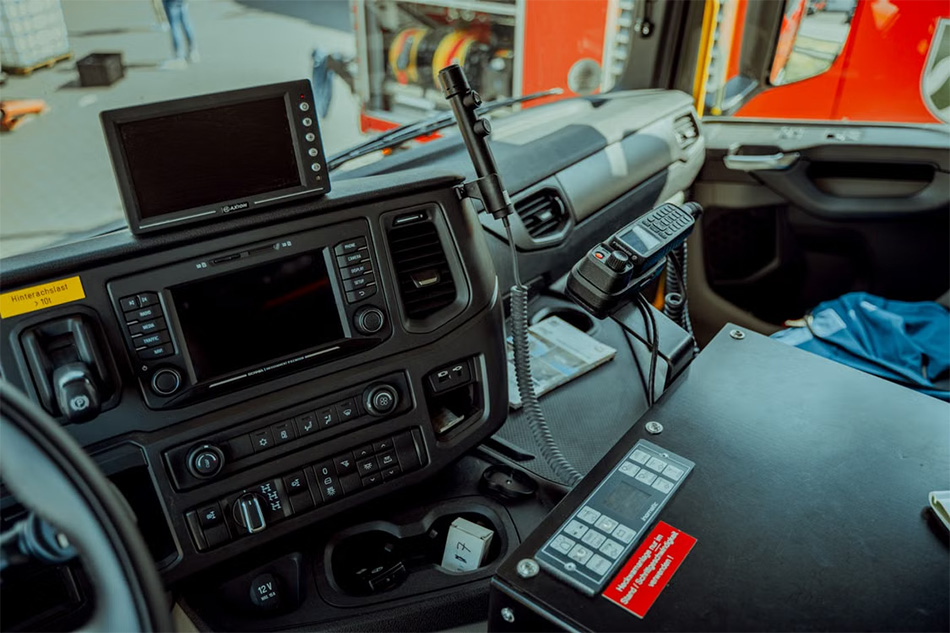
Cars once revealed only the obvious. A dented bumper suggested bad parking. Mud on the doors hinted at a rural weekend. Modern connected vehicles do far more. They log, transmit, and sort. They gather location, device details, vehicle identifiers, app behavior, and contact information with a hunger like surveillance. A recent study from Northeastern University with Consumer Reports makes the scale clear. Tested vehicles and their companion apps often sent data to outside companies tied to advertising and tracking. This is not a glitch. It’s a business model. The old idea that a car simply belongs to its owner now looks outdated.
A rolling data factory
Connected car technology sounds harmless in marketing copy. Wi-Fi. GPS. Remote start. Unlock from a phone. Convenience sells. The trouble starts when those features turn the vehicle into a constant collector of behavioral clues. Researchers tested 21 late-model vehicles from 17 automakers and found that 19 sent data to at least one third party. That should end any fantasy that this is a niche problem. Seven of 30 apps passed sensitive details such as VINs, emails, phone numbers, and precise location to outside companies linked to tracking and advertising. A car now knows where it goes and which phone sits beside the driver.

The app makes it worse
Pairing the mobile app with the vehicle roughly doubled exposure to advertising and tracking companies. That matters because the app often appears optional only on paper. In practice, automakers push owners toward it for remote features, account management, and service updates. The app extends surveillance beyond the cabin and into daily phone use, where ad tech already dominates. One system recognizes a driver through the vehicle account. Another recognizes the same person through a mobile device. Put them together and the profile sharpens. A stop at a bank. A daily commute. A weekend pattern. The car industry and the app economy have collided, and the result looks less like innovation than a surveillance partnership.
Profiles for sale
Raw data rarely stays raw. Companies combine it. A phone number joins a location trail. A VIN joins an email address. A driving pattern joins a commercial profile. Researchers found that multiple forms of information often went to the same third party, which lets advertisers and data brokers build detailed records about individuals. This is where the issue stops looking like a privacy annoyance and starts looking like power. Data brokers sell. Insurers buy. Banks buy. Marketers buy. Once the profile circulates, the driver loses control in any meaningful sense. The car becomes one more node in a system that sorts people into buckets of risk, value, and influence.

Blame games
Automakers responded in a familiar way. Most shifted blame elsewhere. Some pointed to outside web pages opened through app links, where cookies might collect customer data. That excuse deserves little patience. If a company designs the path, the company owns the result. Drivers were not informed clearly, according to the researchers. That weakens the usual corporate defense about consent. Clicking through account screens and privacy notices does not equal real understanding. It equals exhaustion. Honda stands out because it reportedly improved its practices after learning about the findings and told its vendor Amplitude to delete geolocation data it had received. That proves change is possible when embarrassment costs more than extraction.
The connected vehicle was sold as a marvel of ease. Tap a screen. Warm the cabin. Find the car in a crowded lot. Pleasant features, no doubt. Still, the hidden exchange has grown impossible to ignore. Drivers do not merely buy transportation anymore. They enter a quiet arrangement in which movement, identity, and habit turn into marketable signals for tech companies and their partners. That arrangement thrives on obscurity and resignation. Regulation needs teeth. Automakers need stricter limits on collection and sharing. Apps need simple disclosures that say what leaves the phone and where it goes. Until that happens, the modern car will keep behaving like a very expensive informant.