OpenAI President Says One Family of ChatGPT Devices is in the Works
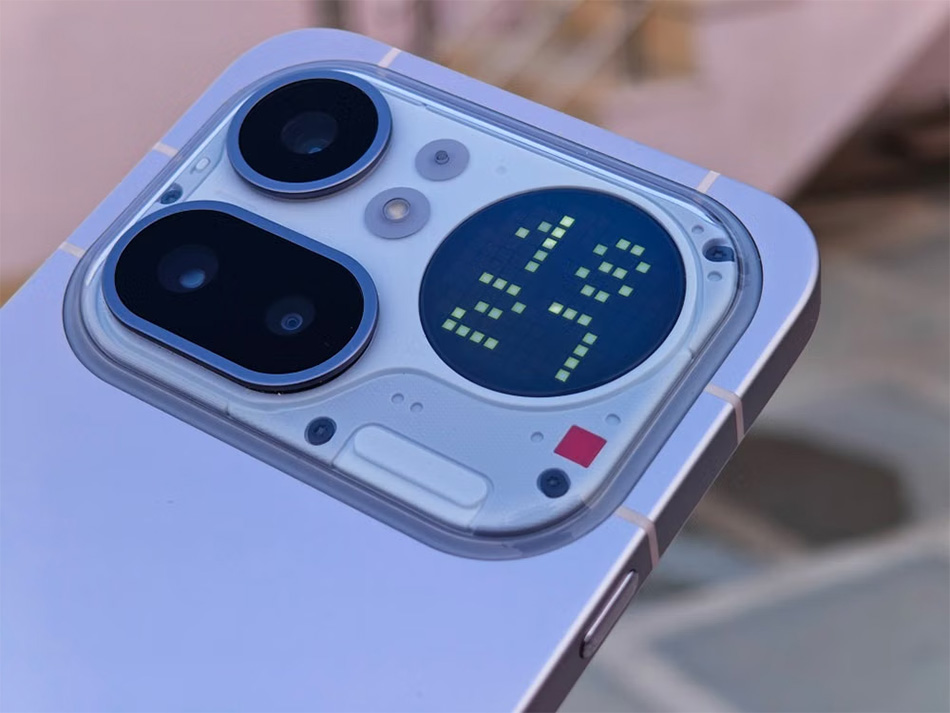
OpenAI has trained the public to see artificial intelligence as software. A site, an app, a chat box. Greg Brockman now hints at something larger. He says the company is building a family of devices tied to ChatGPT, not just one product. That wording matters. It points to a broader plan, not a one-off gadget built for headlines. Brockman gave no launch date and few details, yet the signal is plain enough. OpenAI wants a place in daily life through hardware, with voice at the center. That marks a shift. AI may stop living mainly on screens and start appearing in objects people speak to or carry. The company seems to believe conversation could become the way to use computers.
A Device Family
Brockman’s phrase matters because one product can fail for random reasons. Bad price. Weak battery. Awkward design. A family of devices suggests OpenAI sees hardware as a category, not a gamble. That could mean smart speakers, desktop tools, wearables, or forms not yet named. The point is larger than any single gadget. OpenAI appears to think AI belongs in different settings and routines. This is a bet on convenience. Every major shift in computing comes from cutting friction. If speaking to a machine becomes faster and easier than typing, habits change. Once habits change, markets move.
Why Voice Matters
Technology companies have chased voice for years, often with poor results. Earlier assistants sounded impressive in ads and disappointing in real rooms. They misheard people and failed at simple follow-up questions. Large language models change that picture. A system that can keep context makes spoken interaction more useful. Brockman argues that talking to machines feels more natural than typing, and he’s right for many tasks. The challenge is social, not just technical. People won’t talk to devices if the experience feels awkward or invasive. His mention of strange soundproof masks used by office workers says a lot. Some users already want private voice interaction badly enough to look ridiculous.
Design and Distraction
Reports linking OpenAI with former Apple design chief Jony Ive gave this project instant attention. His name carries weight because hardware lives or dies by design. People tolerate ugly software. They rarely welcome ugly objects into homes or pockets. At the same time, legal conflict around alleged trade secret theft has thrown a shadow over the story. Brockman avoided detail and stressed that OpenAI is focused on its own technology, not anyone else’s secrets. That response was predictable, but necessary. Hardware needs trust as much as style. If OpenAI wants these products to feel fresh, it must prove they come from original thinking rather than borrowed mystique.

Privacy Is the Fight
Voice-first devices raise the hardest question in modern tech. Privacy. A typed request feels controlled. A spoken one feels personal and constant. That changes everything. Brockman says OpenAI is investing in systems that can be verified and audited so handling of personal data can face scrutiny. Good. Anything less would be fatal. Users already worry about temporary chat modes, storage, review, and how much AI remembers. This issue will decide whether such devices succeed. If people think a machine listens too closely, they will reject it. Fast answers and smooth design won’t save a product that feels like surveillance in a nice casing.
Brockman did not reveal much, yet he revealed enough. OpenAI seems ready to move beyond software and into physical products built around conversation. That is a bold move because hardware is expensive, slow, and unforgiving. Still, it offers something software alone cannot. Presence. A device can shape habits in a deeper way than an app ever could. OpenAI appears to believe AI must sit closer to people if it wants to become a daily tool rather than an occasional assistant. Voice is the obvious path, though hardly easy. Questions about privacy, design, and public comfort still hang over the idea. Even so, this looks like a serious attempt to redefine how people interact with computers.