Nasdaq, S&P 500 drop 1% after China’s latest AI breakthrough rattles tech stocks
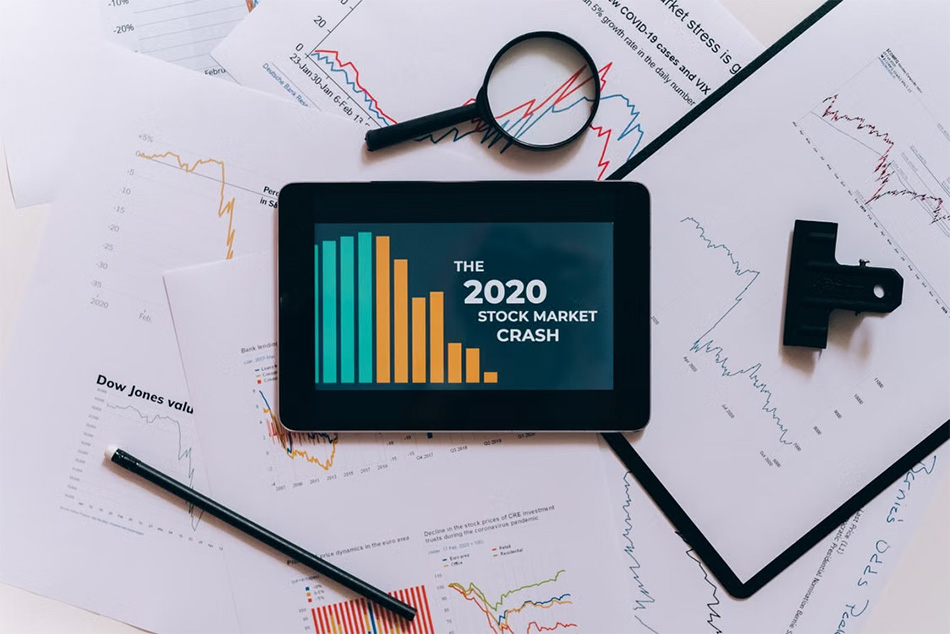
Wall Street loves a simple story until reality kicks in the door. That happened when a new AI model from China shook investors and exposed how fragile the tech rally had become. US stocks fell, Asian markets slid, and chip shares took another hit after Moonshot AI unveiled Kimi K3, an open-source model it says comes close to top American systems. The reaction was not really about one launch. It was about fear. Investors have poured money into AI on the belief that US firms would dominate, keep charging premium prices, and justify spending on chips and data centers. Once a serious rival appears, confidence weakens fast. This selloff came from a blunt question. Are investors paying too much for AI?
Nerves under the surface
The Nasdaq and S&P 500 did not fall only because of a headline. They fell because anxiety had already started building. Tech stocks had run hard, especially semiconductor names, and valuations looked stretched. Moonshot’s announcement gave traders an excuse to sell. Open-source models matter because they threaten the business model behind expensive closed systems. If strong AI tools become easier to access, subscription pricing power gets weaker. That does not destroy the market for US AI firms, though it does make the growth story less clean. What this signals is simple. Investors are no longer willing to assume every company tied to AI deserves a sky-high valuation.
China changes the script
The deeper shock came from where the challenge emerged. Many investors still act as if advanced AI will remain an American preserve. History punishes that arrogance. Chinese firms have already shown they can move fast in critical technologies, and Moonshot’s model revived fears that the gap is narrowing. That matters because competition changes everything. It can cut margins, weaken moats, and force US companies to spend more to stay ahead. Open-source makes the pressure stronger because it spreads capability quickly and makes premium access harder to defend. Markets can tolerate foreign competition as an idea. They panic when competition looks credible.
Chip stocks feel the pain
Semiconductor companies sit at the center of the AI boom, which is why they react so violently when confidence slips. Investors had treated firms like Nvidia and Micron as if demand for hardware would keep rising in a straight line. Markets rarely reward that kind of certainty for long. If open-source progress reduces the need for some big software spending plans or weakens the pricing strength of major AI platforms, chip forecasts start to look less bulletproof. The recent drop in semiconductor shares reflects that fear. This does not mean the AI buildout is over. It means expectations had climbed too far, too fast, and gravity returned.
Oil adds more pressure
Tech was not the only problem. Oil prices also rose after fresh tension involving Iran, which added another layer of stress. Higher oil revives inflation fears just as markets had started to relax. That creates trouble for growth stocks because rising inflation can keep interest-rate worries alive. When investors face both tech competition and renewed inflation risk, caution spreads quickly. That helps explain why money has rotated away from tech and toward sturdier sectors such as financials. Markets do not need a crisis to sell off. They just need enough reasons to doubt the story holding prices up.
This decline says more about the market’s mood than about one Chinese AI model. Investors had grown too comfortable with the idea that American AI firms would dominate without serious resistance and that chip demand would rise without interruption. Kimi K3 challenged that easy narrative. It raised fair doubts about pricing, competition, and whether current valuations already assume too much perfection. None of that means the AI boom has ended. The biggest US companies still have scale, money, and strong positions. Still, optimism has taken a hit. Investors now have to separate real long-term winners from stocks lifted mainly by hype. That is painful in the short run. Markets built on excitement alone always need a hard reminder.