OpenAI’s First Hardware Device Is Reportedly a Screenless Speaker That Can Move
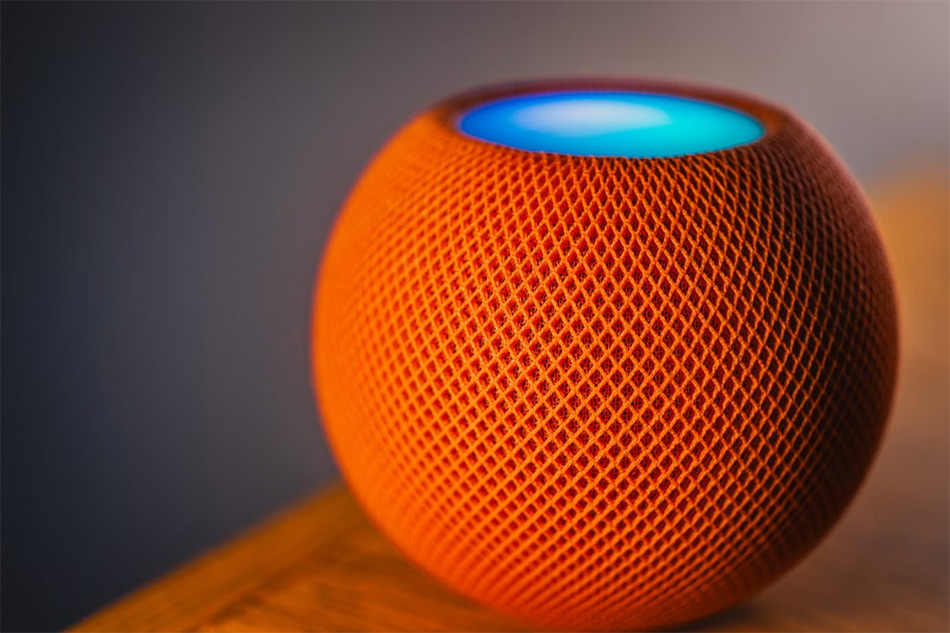
A screenless home device that talks, learns, and moves captures the current AI mood. For years, tech sold the future through brighter displays and thinner phones. Now the pitch has changed. Fewer screens. More voice. More machines that sit nearby and try to feel helpful rather than mechanical. OpenAI’s reported hardware project fits that shift exactly. It sounds less like a normal smart speaker and more like an attempt to give conversational AI a body. That matters. A chatbot on a laptop stays software. A moving object in the home changes the emotional equation. It asks for trust in a different way. Does the public actually want smarter home hardware, or does the AI industry simply need a fresh object to keep excitement high?
A Companion, Not a Tool
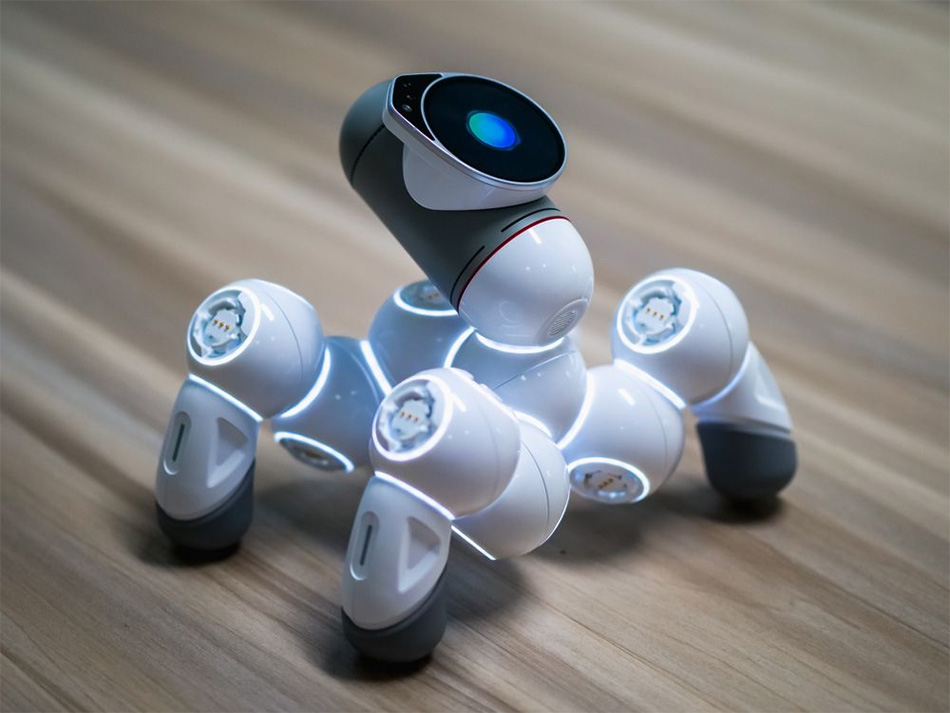
The most striking part of the report isn’t that OpenAI wants hardware. Software companies often chase devices once they want tighter control over the customer experience. The striking part is the form. No screen. Speaker-like. Capable of movement. Framed as a humanlike companion for the home. That is not a small design choice. It turns an assistant into a presence. Smart speakers already trained households to accept microphones in shared spaces. This idea pushes further by adding behavior and maybe personality. OpenAI wants AI to feel less like a service and more like a domestic presence.
The Trouble With No Screen
A screenless device sounds elegant until the practical problems appear. Screens show settings, permissions, errors, and history. Voice systems hide those details behind tone and timing. That can feel smooth. It can also make control harder. Reports suggest the device could connect with ChatGPT and draw on parts of a user’s digital life, including email. That demands clear limits. Without a display, those limits become less visible. Convenience and opacity often arrive together. The home setting raises the stakes even more. A device that learns routines over time and speaks with a crafted personality enters a deeply personal space.
Apple’s Shadow
This story also carries a legal and strategic edge because Apple looms over it. Former Apple engineers reportedly helped build the project, which makes sense. Apple taught the industry how to turn devices into emotional objects rather than plain tools. OpenAI clearly wants some of that power for itself. It does not want to remain only a model provider sitting behind other companies’ interfaces. It wants a physical product that gives the brand direct access to consumers. That ambition arrives at an awkward moment because Apple has sued OpenAI over alleged trade secret theft. OpenAI wants a front-row place in consumer tech, not a backstage one.
The AI Gadget Stampede
This reported device also belongs to a broader rush into AI hardware. Investors want objects, not just cloud services. A model running on servers feels abstract. A gadget on a table feels like the future has arrived. That helps explain why money keeps flooding into AI hardware ventures before products even ship. OpenAI enters this race with a huge advantage because ChatGPT already has public recognition. That recognition won’t guarantee success. Consumer hardware is brutal. People forgive buggy software. They do not forgive expensive devices that interrupt daily life. The moving parts make the concept even riskier. Mechanical behavior can quickly turn into a gimmick.
This reported product sounds ambitious, strange, and perfectly timed for the current AI boom. OpenAI has spent years turning language models into mainstream tools. The obvious next move was never just another app. It was a physical object that could live in the home and make AI feel ambient. That idea may prove smart. It may also expose the limits of what people actually want from AI. Many people enjoy convenience, then recoil when convenience starts looking like surveillance with a friendly voice. A moving speaker with a personality sits right inside that tension. If it works, it could reshape the smart home by making AI less visible and more constant. Not every powerful system needs to become a companion.