Samsung and Google Give First Look at New Intelligent Eyewear

Consumer tech keeps trying to move computing off the phone and onto the body. Most attempts flop because the body has rules. Watches belong on wrists. Earbuds belong in ears. Faces belong to identity, vanity, trust, and social risk, which is why smart glasses have such a graveyard. The Google I/O 2026 reveal changes the tone. Samsung and Google showed intelligent eyewear powered by Gemini AI, built with Gentle Monster and Warby Parker, and the message wasn’t “welcome to the future.” The message was “this could pass as real eyewear.” That distinction matters. It signals wearable AI that doesn’t demand a costume. Phones still run the show, yet a new interface has started hovering closer to eyes and language.
Fashion First, Because People Have Mirrors
Smart glasses usually fail before anyone even turns them on. They fail in the mirror. Samsung and Google didn’t pretend engineers can out-design fashion houses. They grabbed Gentle Monster for avant-garde edge and Warby Parker for clean, office-safe frames. That pairing covers two major identities, and identity drives adoption more than specs ever will. The quotes from both brands point to the same thesis. Eyewear feels personal and emotionally expressive, not like a gadget shell. This announcement treats design as the product, and technology as the hidden payload. Meta proved that recognizable frames help smart glasses sell. Samsung and Google push the idea further by treating style as the entry ticket.
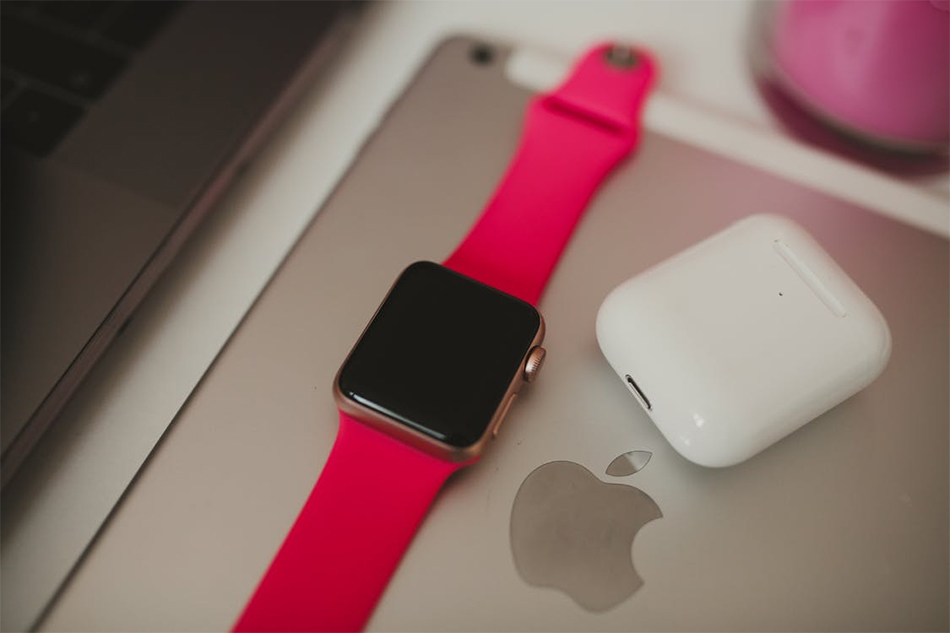
Gemini Steps Off the Screen and Into the Moment
Gemini on a phone sits behind rituals. Unlock. Tap. Speak. Read. Glasses try to erase that choreography. Voice navigation, summarized notifications, calendar actions, and local suggestions all aim at heads-up use, not another compulsive glance. Translation steals the spotlight. Real-time translation that keeps audio aligned with the speaker’s voice targets a long-standing problem: robotic dubbing ruins human interaction. Text translation in the field of view for signs and menus turns the environment into a readable interface without the phone-as-periscope routine. The feature list focuses on small, repeatable wins, the kind that become habits. Habits make platforms.
Samsung’s Ecosystem Advantage: The Quiet Power
A standalone wearable dies from friction. Battery limits. Setup pain. No reason to wear it on an ordinary Tuesday. Samsung frames these glasses as a companion to the phone, not a replacement, and that’s strategic mercy. The Galaxy ecosystem already trains users to accept multiple devices that share accounts, notifications, and media. Add glasses to that family and the leap feels smaller. Photo capture without pulling out a phone sounds trivial until it becomes the default behavior. Samsung also sells scale, which changes the market math. Meta sells smart glasses as a product line. Samsung can sell them as the next natural accessory for a massive installed base.
Meta Gets Challenged, Privacy Gets Tested
Meta has owned the smart glasses story with Ray-Ban partnerships and a real shipping pipeline. This reveal fires a clean shot across that bow. Google brings Gemini’s multimodal intelligence. Samsung brings distribution and device integration. Still, the old ghosts remain. Glasses trigger suspicion because cameras in public trigger suspicion. Stylish frames won’t dissolve that. Clear indicators, strict defaults, and visible respect for bystanders will decide whether this category grows or collapses into backlash again. The race for the next platform beyond phones won’t just reward the best AI. It will reward the best manners.
This launch signals a shift from AI as an app to AI as ambient infrastructure. The phone stays central for compute and connectivity, yet the interface moves closer to perception, where translation, navigation, and quick actions matter most. Samsung and Google also show a hard-earned lesson from past failures. People don’t adopt wearables because a keynote promises destiny. People adopt wearables because they look normal, feel comfortable, and solve small problems repeatedly. Gentle Monster and Warby Parker supply the social permission. Gemini supplies the brains. The remaining barrier isn’t engineering. It’s trust. If these glasses behave discreetly, communicate recording clearly, and stay genuinely useful instead of pushy, the smartphone starts to look less like the main stage and more like backstage support.