Data centers: Tech boom with downsides
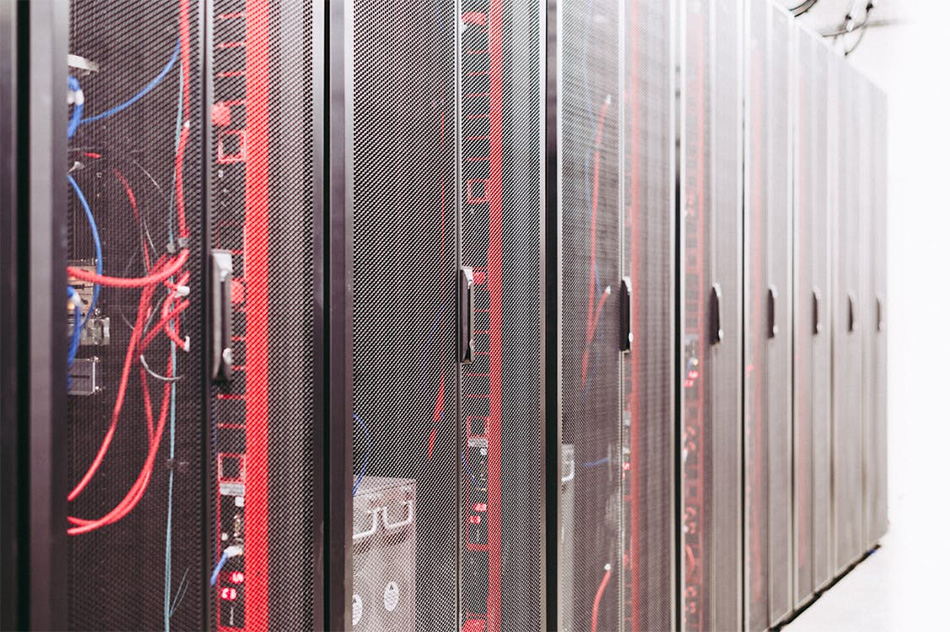
Data centers sit at the core of modern life with the quiet arrogance of a power station. This isn’t just entertainment or office email. Power grids, hospital scheduling, payments, rail logistics, emergency dispatch. All of it rides on server halls most residents never see, except as windowless blocks behind fences and cameras. Thousands of these sites already hum across the planet, with many more rising because artificial intelligence burns through computing capacity at a brutal pace. Germany treats these facilities as critical infrastructure, and conflict around Iran, with reported strikes on Gulf complexes tied to major cloud firms, reminded everyone that a society can lose digital nerves in a single evening. Growth looks glamorous until it starts to look fragile.
Frankfurt’s quiet empire
Dietzenbach sounds like a place built for forest paths and a swimming pool. It is. It also sits near Frankfurt, which acts like Europe’s digital switchboard. DE-CIX Frankfurt moves astonishing volumes of traffic at peak. The region already hosts many large facilities, and the pull keeps strengthening. Google doesn’t drop billions there for charm. It does it because fiber routes, latency, and interconnection density behave like physics. Once the cables and exchanges cluster, newcomers chase the cluster. Concentration boosts performance and cuts costs. Efficient. Then brittle.

The “cloud” lie: power and water
The “cloud” remains one of the most successful marketing tricks in industrial history. Clouds don’t draw megawatts. Server halls do. Every new AI model and every extra copy of every photo increases the load, and the load becomes real electricity, real heat, real cooling. Residents near proposed builds complain about power demand and water use because those complaints match the math. Cooling often needs water, and even when designs improve, heat still exits somewhere. Grids must grow. Backup generators must test, which means noise and exhaust. Hardware also ages fast, which turns investment into streams of electronic scrap that recycling systems struggle to absorb.
Targets, not just buildings
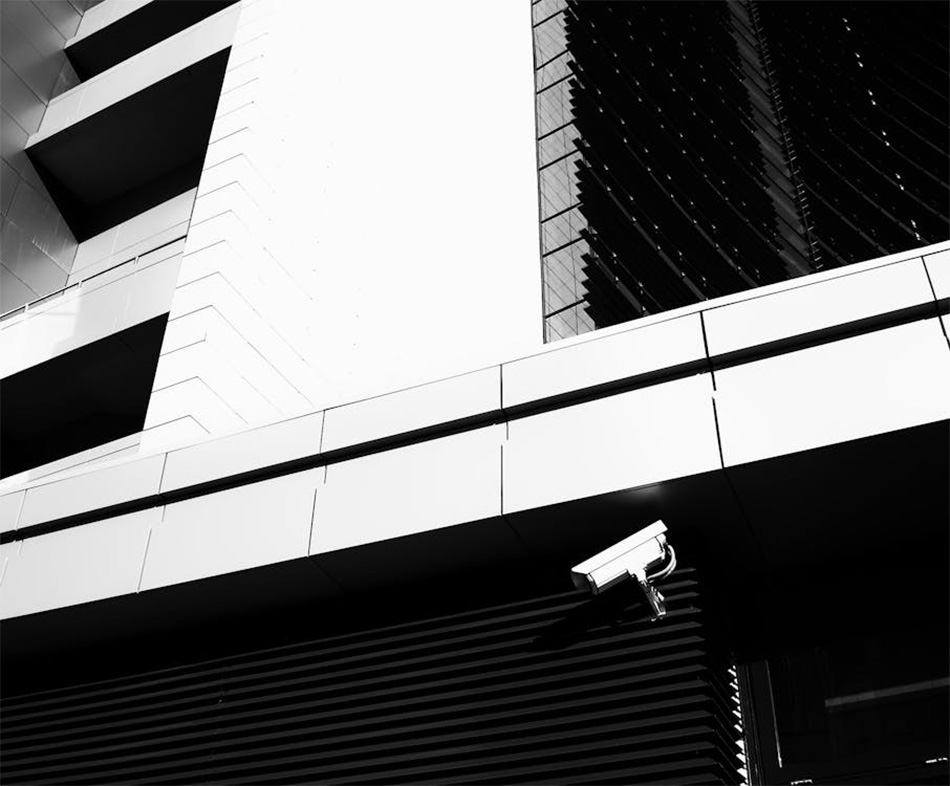
Security teams love fences, cameras, guards, barbed wire. It looks decisive. Cyber reality laughs. Attackers don’t need to hop a fence to disrupt operations, and hostile probing has reached absurd levels. Physical failure also matters. The Strasbourg data center fire in 2021 showed the ugly truth: one site can take millions of websites down, and customers can lose data when backups sit in the same building as the primary systems. Now add geopolitics. In Ukraine, hostile actors have aimed at IT infrastructure to jam military coordination and civilian supply lines. In the Gulf, reported strikes on cloud-linked complexes disrupted banking and payment rails. This turns data centers into something closer to rail bridges in wartime.
Resilience that isn’t theater
Resilience doesn’t mean thicker fences and a press release. It means diversification, redundancy, and regulation that refuses magical thinking. Spread capacity across multiple regions. Force real separation of backups. Demand transparent incident reporting. Test disaster recovery like it matters, because it does. A national strategy that expands capacity while cutting dependence on non-domestic providers gestures toward sovereignty, yet sovereignty without competence becomes cosplay. Energy contracts, grid upgrades, skilled operators, emergency response. All of it must align. The public also deserves honesty about tradeoffs. Cheap, instant digital services cost something, and the bill arrives in land use, electricity demand, and strategic risk.
The world builds data centers because modern economies can’t function without them, and because AI has turned computing into a national appetite. Treating these complexes as neutral infrastructure belongs in a museum of bad assumptions. These sites shape energy planning, local politics, industrial policy, and military risk. Clustering around giant exchanges like Frankfurt delivers speed, then concentrates failure. The same facility can serve as a growth engine and a pressure point. Towns that host new builds deserve more than glossy job numbers. They deserve binding plans for power supply, water use, noise, waste handling, and heat management. States that rely on cloud services need distributed capacity, hard standards, and practiced recovery. The next crisis will not ask permission before it tests the digital backbone.