Meta, YouTube, And The First Jury Test Of Social Media’s Impact On Children
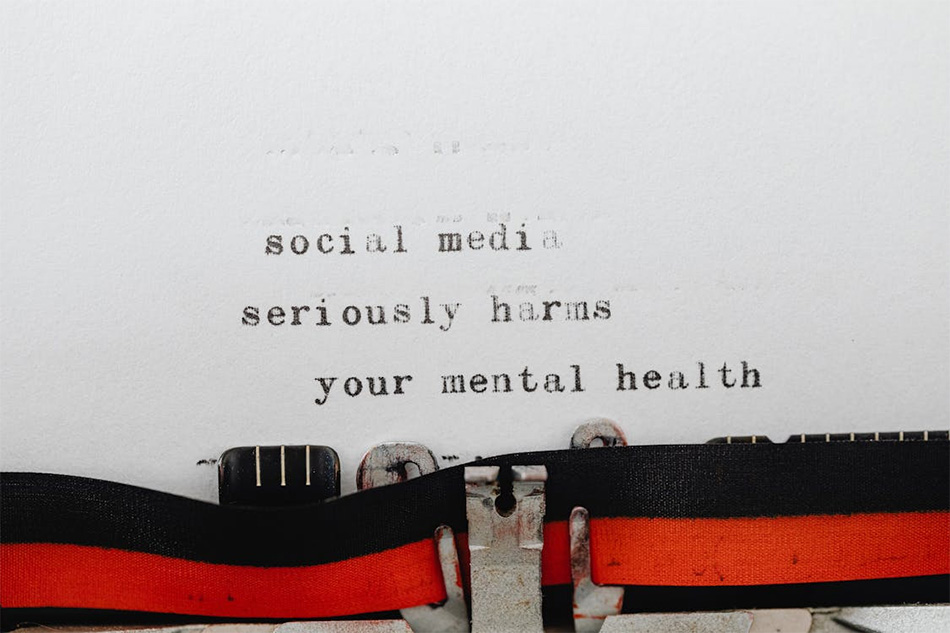
A courtroom in Los Angeles now sits at the center of a fight the tech industry tried to keep theoretical for years. Arguments about “screen time” and “addictive feeds” finally step in front of a jury, with Meta and YouTube forced to defend how their platforms treat children. The case doesn’t just question product design. It attacks the business logic behind social media itself: engagement at all costs. If jurors link that logic to a youth mental health crisis, the industry’s core playbook faces open challenge.
A Tobacco-Style Showdown For The Social Media Era
This lawsuit doesn’t stand alone; it opens the gate. More than a thousand individual plaintiffs, hundreds of school districts, and dozens of state attorneys general wait in the wings with similar claims. The comparison to Big Tobacco in the 1990s isn’t lazy headline hunting. It’s the right frame. Back then, companies knew a harmful pattern, buried it, and kept selling. Now the accusation lands on Instagram, Facebook, YouTube, TikTok, and Snapchat: design features that keep kids locked in endless scroll, while internal research allegedly warns of depression, eating disorders, self-harm, and suicide. If jurors see that pattern as profit over protection, the litigation wave turns into a regulatory storm.

Design On Trial: Infinite Scroll, Notifications, And The Hook
The heart of the case isn’t vague anger about phones. It’s design choices. Infinite scroll removes the natural stopping point. Auto-play erases the decision to continue. Constant notifications pull kids back in when they try to step away. Recommendation algorithms then learn and sharpen what holds attention the longest, not what supports well-being. Plaintiffs argue these tools don’t just attract kids; they trap them, pushing vulnerable teens toward harmful content. The claim goes further: these are not neutral features, but intentional hooks, tuned for engagement and revenue, even when internal research flags serious psychological fallout.
Inside The Platforms: Documents, CEOs, And A Teenage Plaintiff
This trial rips open a door that Silicon Valley usually keeps locked. Jurors will sift through thousands of pages of internal documents and research on children. Expert witnesses will translate technical decisions into plain consequences. A teenage plaintiff, identified as K.G.M., will describe how heavy social media use allegedly fed mental health problems. Then come the star witnesses: Meta CEO Mark Zuckerberg and Instagram chief Adam Mosseri. Executives normally speak in polished blog posts and staged interviews. On the stand, under oath, the narrative tightens. Any gap between public promises of “safety” and private discussion of risk becomes powerful evidence.

Tech’s Defense: No Addiction, Free Speech, And Safety Features
The platforms don’t walk into court apologizing. They attack the premise. No recognized clinical diagnosis for “social media addiction,” they say, so the legal theory already stretches. Research on mental health and social media remains mixed, with no simple direct line from use to harm. Meta and Google point to parental controls, contact limits for teen accounts, and time management tools as proof that they take safety seriously. Their lawyers also lean on the First Amendment, claiming content decisions count as protected speech. One leading internet law scholar even mocks the lawsuits’ logic, comparing it to suing a soda maker for a bottle that randomly explodes in all directions.
The Los Angeles trial won’t end the debate about kids and social media, but it rewrites the terms. For the first time, jurors, not engineers or lobbyists, will decide whether core engagement features cross the line from clever design into negligent harm. If the verdict favors plaintiffs, pressure will spike for redesigns, stricter youth protections, and more disclosure of internal research. If the tech companies prevail, the message won’t be comfort so much as warning: society may need clearer laws, not just louder complaints, to reshape the online world children inhabit.