Semiconductors in 2025: The Industry’s Wild Leap Beyond Moore’s Law
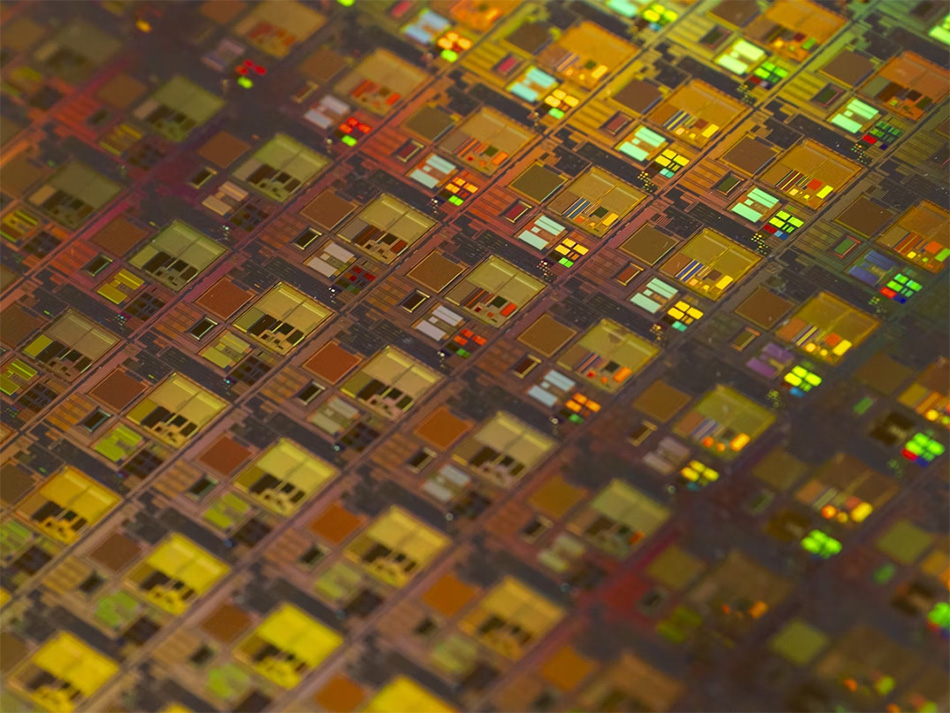
The semiconductor industry, always restless, now stands on a sharper edge than ever before. Forget the slow, predictable tick of progress—think leaps, stutters, and jolts. In late 2025, the machinery of innovation doesn’t just hum, it roars. New manufacturing tricks, exotic materials, and a total rethink of old rules are crashing together. The result? Moore’s Law, once a tidy little guideline, looks more like a launching pad. Demand for AI, high-performance computing, 5G, and autonomous vehicles isn’t slowing either. Chips must be faster and thriftier with energy, all while shrinking to absurdly small sizes. The conclusion is obvious: the digital economy now runs on silicon’s wild reinvention.
Stacking Up: Packaging Reinvented
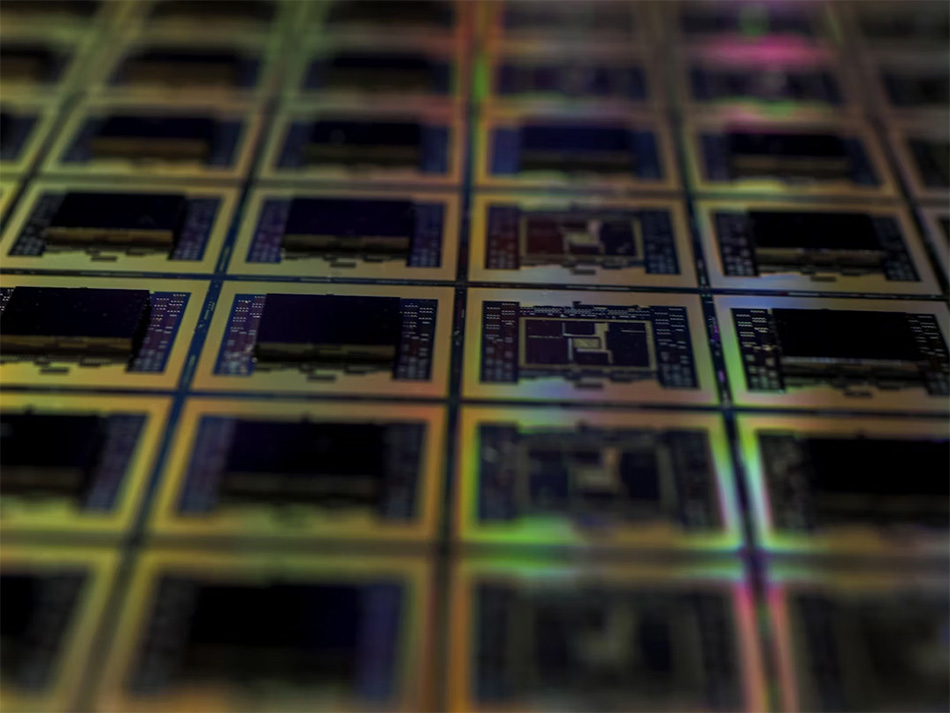
Astonishing progress in chip packaging has upended the old logic of circuit boards. No more flat, one-dimensional layouts—now, engineers are building up and out. 2.5D and 3D packaging put components side-by-side or stack them in vertical towers, squeezing more power into less space. The numbers are almost absurd: single-digit micrometer connections, bandwidths blasting past 1000 GB/s. High-Bandwidth Memory, the darling of AI and data centers, thrives in this environment. Samsung, SK Hynix, Micron—each chases new records. TSMC’s CoWoS-L and NVIDIA’s Blackwell chip? That’s the new benchmark. Broadcom’s 3.5D XDSiP? Proof the race just got wilder. The message is simple: whoever masters this stacking game dictates the next decade.
Gate-All-Around: The Transistor Revolution
Transistors, those minuscule switches, have always been the heart of the chip. For years, FinFET ruled. Now, Gate-All-Around (GAA) transistors are dethroning it—no contest. Better electrostatic control, less wasted energy, and virtually no leakage. Samsung already ships its second-gen 3nm GAA chips, showing the world what comes next. TSMC isn’t sitting back, folding GAA nanosheets into its 2nm designs. Intel’s 18A node is barreling toward production. The old limitations of silicon scaling crumble, transistor density skyrockets, and the industry’s biggest problems suddenly look manageable. AI, 5G, cars that think for themselves—they’re all waiting for this new transistor king.
High-NA EUV: The Light Fantastic
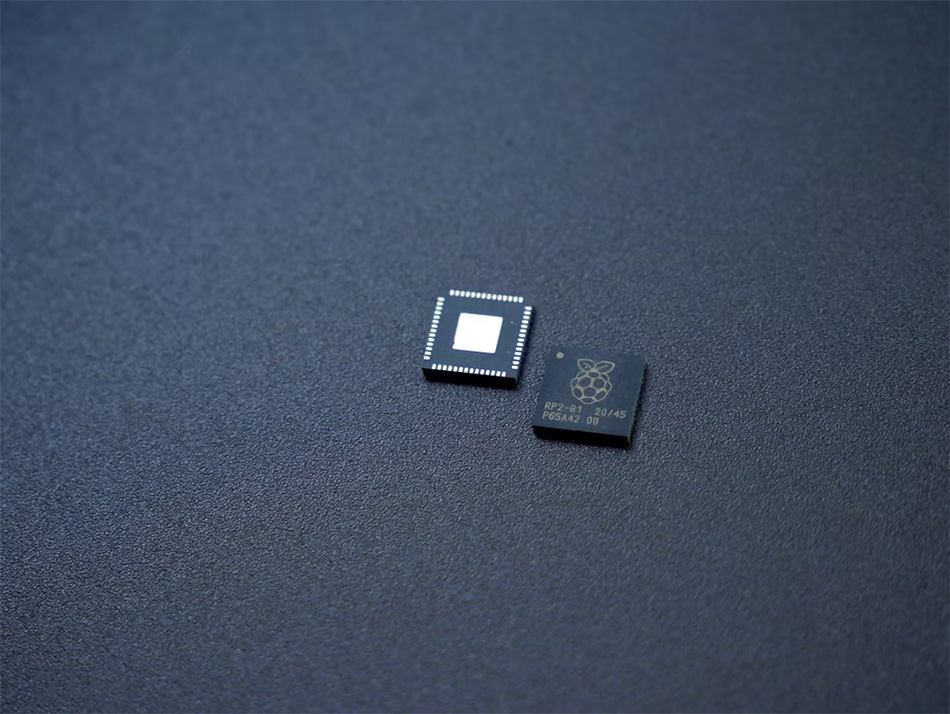
Lithography—once a dry, technical term—now sits at the center of this revolution. High-Numerical Aperture Extreme Ultraviolet (High-NA EUV) has arrived, and nothing will be the same. It’s about sharper focus, smaller features, and a roadmap that stretches past 2nm, toward almost unimaginable miniaturization. Forget the incremental gains of old. High-NA EUV lets chipmakers etch impossibly tiny circuits, opening the door to sub-1nm technology. It’s not just a lab curiosity, either. Production lines are being retooled, with the first High-NA EUV-powered chips already looming. The digital world just got a lot denser—and a lot faster.
New Materials: The Secret Sauce
Old-school silicon can’t carry all this weight alone. Enter the new stars: ultra-pure silicon variants, wide-bandgap compounds, even two-dimensional materials barely thicker than a molecule. Each brings something vital. Wide-bandgap materials? They handle high voltages and temperatures, perfect for electric vehicles and power-hungry servers. 2D materials, like graphene, tease at speeds and efficiencies that traditional silicon can’t touch. Companies are betting big, pouring resources into every promising lead. Suddenly, the periodic table is a toolbox. The result is a level of performance and miniaturization that seemed like science fiction just five years ago.
The semiconductor industry’s frantic sprint in 2025 isn’t just about smaller chips or faster speeds. It’s about a total reset of what’s possible. Advanced packaging lets engineers defy gravity, GAA transistors rewrite the rulebook, High-NA EUV brings the future crashing into the present, and new materials break every old boundary. The inescapable conclusion is this: whoever leads in these technologies will dictate the terms of the next digital era. Semiconductors, once hidden and humble, now stand as the engine of modern civilization. The stakes have never been higher, nor the pace more ferocious.