Meta’s Gambit: AI Glasses Attempt to Redefine the Everyday

Menlo Park, California. There’s a stage, a crowd of developers, and Mark Zuckerberg standing in his trademark gray tee, holding up a pair of glasses that don’t look like much. Yet he claims they’re the future. Some might scoff. The inescapable conclusion is that Meta—despite the headwinds, the skeptics, the graveyard of half-baked gadgets—won’t stop pushing. A tiny display, a neural wristband, and a promise: this is the next step beyond phones, beyond keyboards, beyond the old ways of talking to machines. The tech world isn’t convinced. Meta doesn’t care.
The Pitch: AI in Plain Sight

Meta’s new Ray-Ban Display glasses. Small, almost unassuming. But packed with artificial intelligence that listens, sees, even responds with “barely perceptible movements” from a neural wristband. Zuckerberg can’t help himself; he’s convinced that glasses will win where VR headsets stumbled. “Glasses are the only form factor where you can let AI see what you see, hear what you hear,” he declared, as if the future had already arrived. The price—$799—won’t win over everyone. Yet the concept isn’t science fiction anymore. What this truly signals is a bet that consumers will wear their tech on their faces, not hide it in their pockets.
Old Glasses, New Tricks
Meta isn’t content with just launching something shiny. The company’s original Ray-Ban glasses get a facelift: better battery (eight hours, double the last), some software magic. A feature called “conversation focus” will amplify the voice of whoever the wearer is talking to, drowning out the usual cacophony. German and Portuguese translations join the lineup. The cost? 379 for the upgraded model, 299 for the old one. Meta wants to carve out a space where smart glasses aren’t a novelty, but a tool. Skeptics will say it’s just another update. The reality is, this is a calculated move to make AI glasses less weird, more useful.
Athletes Get Their Own Pair: The Oakley Meta Vanguard
Suddenly, the narrative swerves. Meta’s not just targeting techies or early adopters. Athletes get a dedicated device: the Oakley Meta Vanguard. Designed for “high-intensity sports,” these glasses sync with Garmin gear and deliver real-time stats, feedback, and even record video clips automatically when the wearer hits milestones. The idea? Performance tracking without breaking stride or tapping a screen. $499, hitting shelves October 21. The inescapable conclusion is that Meta smells opportunity in specialized markets, not just the mass consumer crowd. It’s a gamble—athletes can be picky—but the logic is ruthless: own the niche, then expand.
The Vision Thing: Chasing the Metaverse Dream
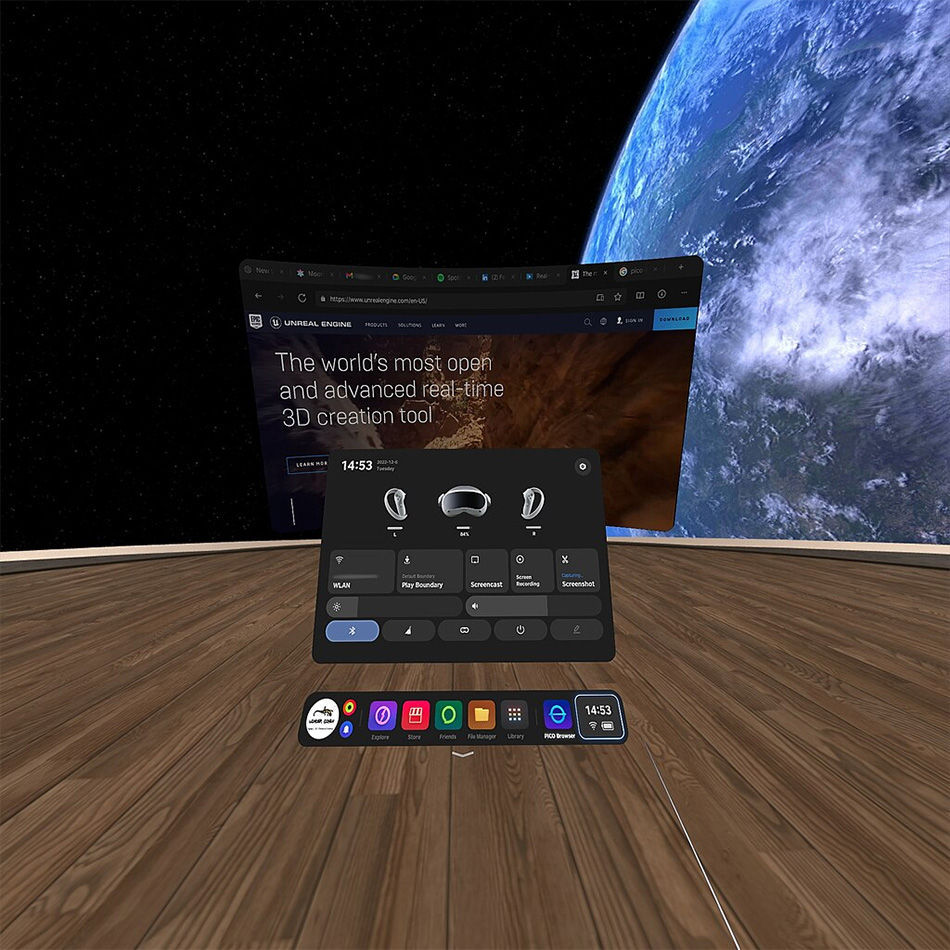
Nobody’s talking about sales numbers. But Meta claims the glasses are “more popular than expected.” Analysts chime in, some with nostalgia for the Apple Watch launch, others with warnings about moving beyond the “early adopter niche.” Zuckerberg’s vision hasn’t changed: for over a decade, he’s insisted that blurring the line between the physical and digital is inevitable. Oculus, the Metaverse, now this. After so many misfires, is this the tipping point? The company even teased “Orion,” a prototype branded as “the most advanced glasses the world has ever seen.” The hype machine keeps running. The market’s patience, on the other hand, isn’t infinite.
Betting Big on Faces, Not Screens
Meta’s gamble is clear: people will accept computers on their faces. No more hiding behind screens, no more tapping and swiping. Will the public buy it? The glasses aren’t cheap. The features sound impressive, almost futuristic, yet the world’s seen tech hype before. The inescapable conclusion is that Meta refuses to play it safe. This isn’t a half-hearted upgrade; it’s an all-in push to define how humans and machines interact. Success isn’t guaranteed. But if Meta’s right, a future where AI sits quietly behind a pair of lenses is closer than anyone imagines. Or maybe it’s just another expensive experiment. Time will tell.