The AI in Your Pocket: Beyond the Hype
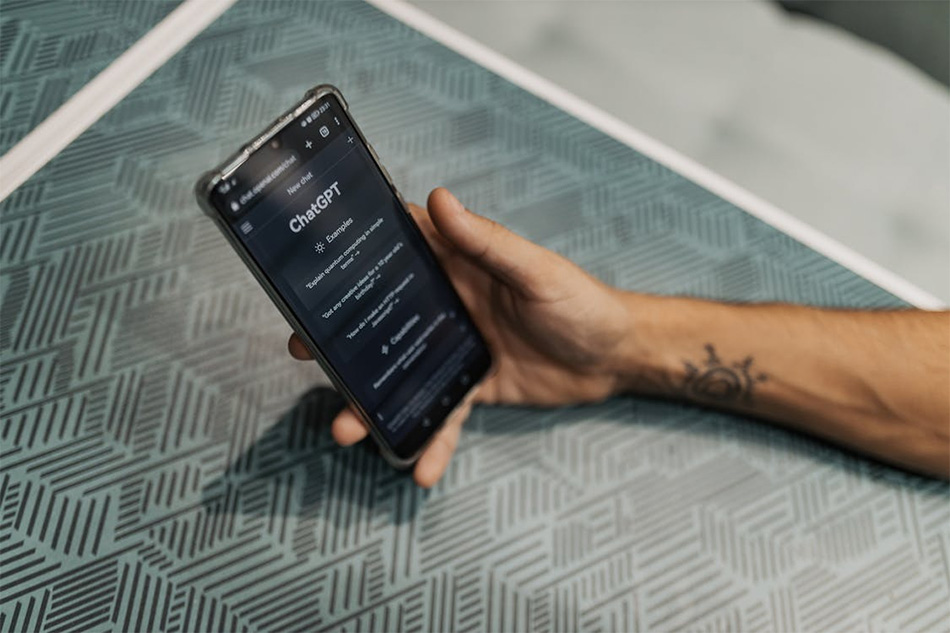
Artificial Intelligence, that catch-all phrase for everything from chatbots to image generators, has already wormed its way into daily life. Most still see AI as a distant, hungry beast, devouring supercomputer resources in glass-walled labs. The truth? AI’s no longer lurking in the background. It’s right there, buzzing away inside the same phone that’s probably within arm’s reach. Just look around. The world’s already become one where a casual selfie gets a digital nip and tuck before anyone blinks. The inescapable conclusion: the age of AI-infused smartphones isn’t coming. It’s here, and it’s rewriting expectations.
Tiny Chips, Big Punch
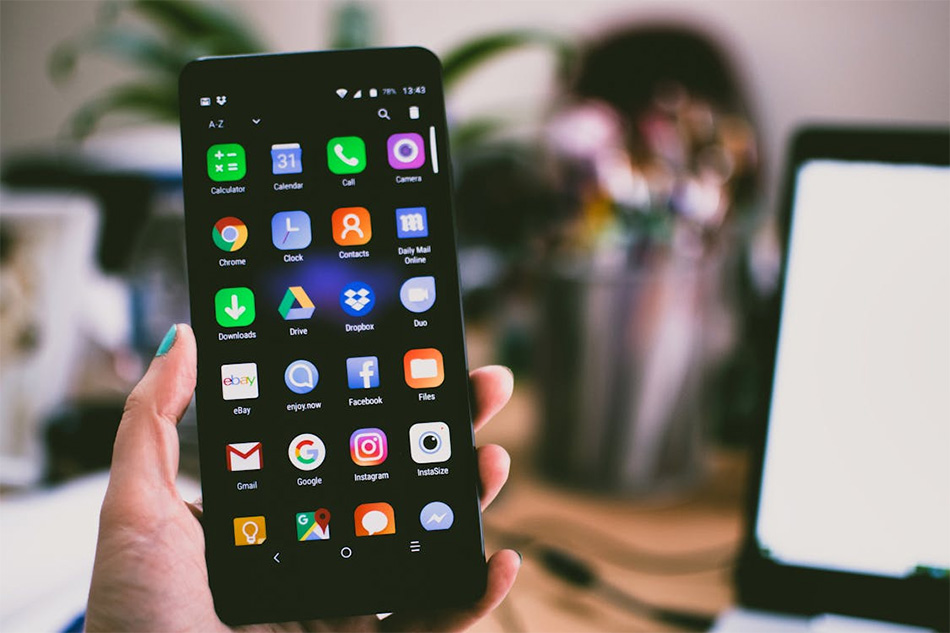
AI used to mean cloud servers crunching numbers somewhere far away. This idea sounds safe, almost quaint. Yet now, the industry’s shifted. Suddenly, companies are slipping dedicated AI chips, the so-called neural engines, right into everyday smartphones. These aren’t theoretical. They’re real, humming away under glass and aluminum. What this truly signals is a new era where a device in a pocket handles tasks that used to require server farms. It’s wild. Translate a sign in real time? No problem. Blur a background in a video call? Instant. Everything’s faster, quieter, more private, and the best part: the user hasn’t noticed the heavy lifting at all.
Smarter Features, Subtle Impact
The list of features powered by these chips grows longer every month. Cameras that fix faces, voices that sound eerily natural, suggestions that seem to predict a thought before it’s even formed. The AI in phones doesn’t just automate; it anticipates. Instead of clunky, obvious interventions, it’s a gentle nudge, photos look better, apps open quicker, spam calls vanish before ringing. Everyone claims to want control, but the evidence shows most people just want things to work. The shift’s invisible, and that’s the trick. This isn’t about robots replacing humans. It’s about technology getting out of the way.
The Power Problem Shrinks
People forget: all that AI magic used to come at a cost. Battery life would nosedive, devices got hot, performance lagged. This isn’t happening anymore. Suddenly, phones process language, analyze images, and filter spam without draining power or lighting up like a toaster. The credit goes to those specialized AI chips, built for efficiency. It’s a leap forward. The inescapable conclusion is that energy isn’t the bottleneck it once was. Now, the average phone can handle AI workloads all day, every day, and users barely notice a dip.
Security Gets Personal

A final, overlooked reality: privacy. Previously, AI features meant sending data to the cloud, where it could be intercepted, copied, or worse. Now, data stays on the device. Photos, messages, even biometric details, processed locally, shielded from prying eyes. It’s a new standard. The idea that personal information leaves the phone just to get analyzed suddenly feels outdated. Security isn’t just a marketing pitch now; it’s a tangible improvement. Anyone ignoring this shift is missing the biggest story in mobile tech.
The Tipping Point’s Already Here
For anyone still waiting for AI to “arrive” on mobile, the joke’s on them. The revolution already happened. Phones stopped being simple communication devices and turned into portable, self-contained AI platforms. The evidence piles up in every interaction, every photo, every voice note. It’s not about futuristic promises anymore. The AI in today’s phones delivers real value, seamlessly, invisibly. The world’s moved on, and the only question left: who’s actually paying attention? The smart money says those chips will only get smarter. The rest will just have to catch up, phone in hand.