GlobalFoundries and Apple Expand Partnership to Boost U.S. Semiconductor Ambitions

GlobalFoundries just raised the stakes in the U.S. semiconductor race. The company unveiled an expanded partnership with Apple, targeting the next generation of wireless connectivity and power management tech. The spotlight falls on the Malta, New York facility, which suddenly looks less like a regional plant and more like a key piece in America’s high-tech resurgence. It’s not only about chips. It’s about a broader vision: making sure the U.S. isn’t left behind in the AI-powered future. Eyes are on the numbers, but there’s a bigger story—the partnership signals a shift in priorities and a clear response to global pressures in the tech supply chain.
A Strategic Alliance with National Implications
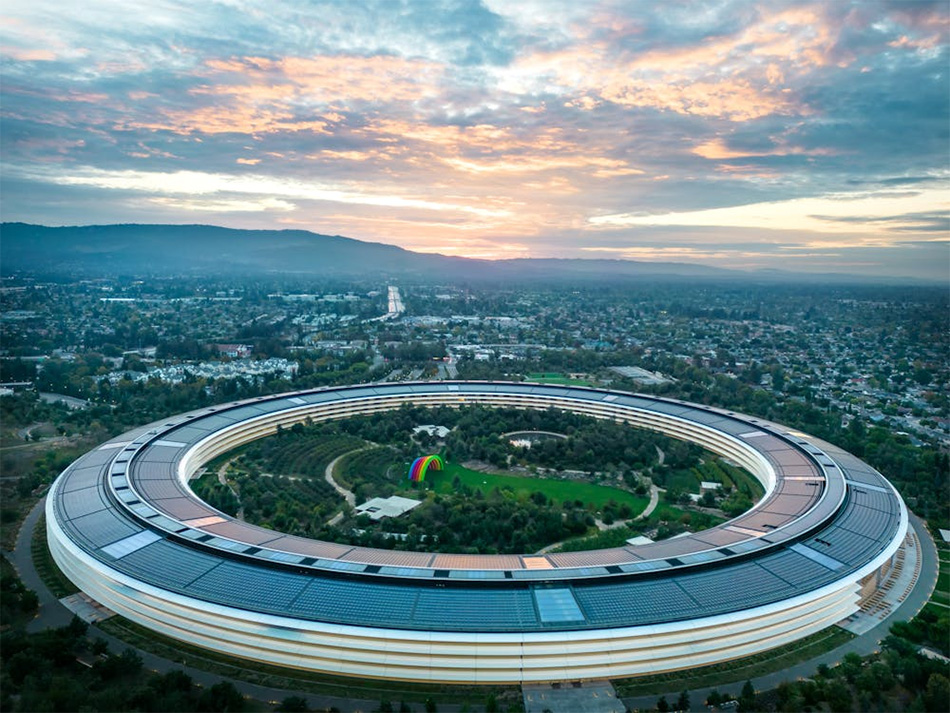
Apple and GlobalFoundries know timing is everything. While others talk about onshoring and industrial policy, these two companies are making moves. The new agreement isn’t isolated; it’s the latest layer in a complex strategy. Apple’s commitment of 16 billion investment to expand its New York and Vermont operations. This partnership doesn’t just benefit the companies involved. It aligns with the current administration’s push for semiconductor self-sufficiency and AI leadership. Every investment, every new job, every facility upgrade—they all feed into a national agenda.
Focus on Wireless and AI Hardware
Forget generic chips. The collaboration zeroes in on the real battleground: wireless connectivity and power management, two areas that will define the next wave of AI-enabled devices. Smartphones, smartwatches, even cars—the future belongs to products that can process more, connect faster, and sip power instead of gulping it. GlobalFoundries’ Malta site becomes the testbed for these ambitions. The inescapable conclusion is that both companies recognize where the puck is heading. Demand for advanced chips in AI hardware is exploding. Only a handful of facilities worldwide can handle this level of technical complexity. By focusing on these technologies, Apple and GlobalFoundries aren’t just meeting today’s demand. They’re building for a future that’s already knocking at the door.
Investment and Expansion: Dollars with Direction
Sixteen billion dollars is a headline number, but the details tell the story. GlobalFoundries isn’t just upgrading equipment. It’s hiring, training, and laying the groundwork for sustained growth. New York and Vermont—states not usually at the center of tech conversations—suddenly matter a lot more. Apple’s manufacturing commitment provides both the incentive and the demand needed to justify this scale of expansion. The chips produced in Malta won’t just be for Apple’s internal needs. They’ll ripple through the supply chains of countless other American companies. The partnership acts as a force multiplier, creating a local ecosystem that supports innovation, workforce development, and economic resilience. The evidence suggests that this isn’t a one-off project but a model for future industry alliances.
Government Policy and the Search for AI Leadership

The administration’s goals for domestic semiconductor production and AI supremacy can’t be achieved by public funding alone. Private sector action carries the real weight. This partnership answers the call, translating policy ambitions into factory floors and shipping docks. There’s a clear recognition that control over advanced chip manufacturing equals leverage in global tech competition. The Malta facility, once just another name on a map, now represents a test case for whether the U.S. can reclaim its edge. The stakes are high. If this works, Washington gets a blueprint for marrying industrial strategy with market realities. If it fails, the consequences could stretch far beyond a single company or state.
GlobalFoundries and Apple aren’t just making chips—they’re making statements. The expanded partnership stands as proof that the U.S. is serious about competing in the global tech arena. As the world watches, these moves may well decide who leads the AI revolution.