A Strange New Bedfellow: OpenAI Taps Google in a High-Stakes Power Play
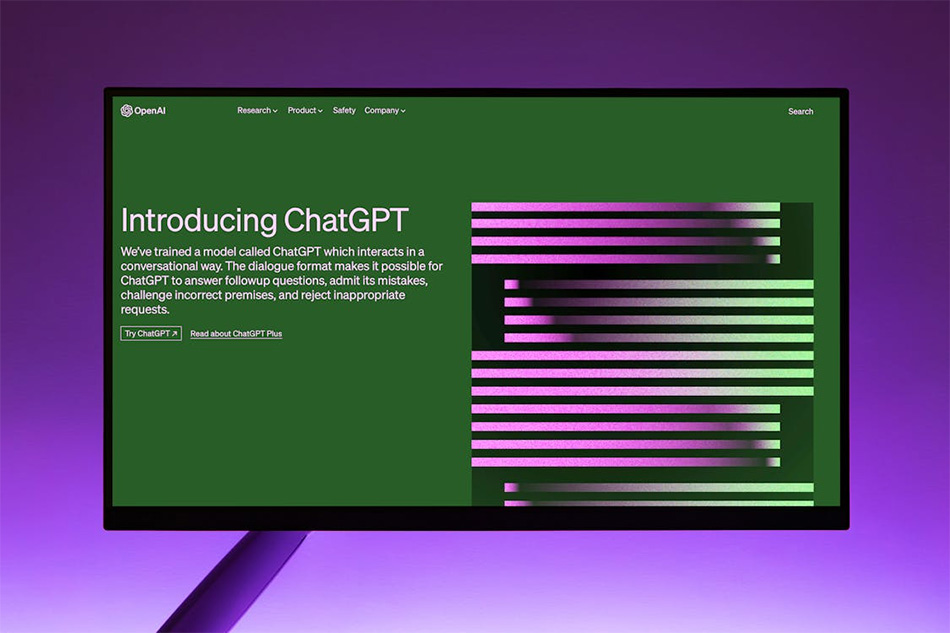
The AI arms race just got weird. This isn’t just another corporate partnership announcement; it’s a seismic shift in the underlying geopolitics of the technology world. OpenAI, the vanguard of the generative AI revolution, is turning to one of its fiercest rivals, Google, for the one resource it needs more than anything: raw computing power. The move reveals a stark reality. The soaring intelligence of models like ChatGPT is built on a foundation of silicon, and that foundation is cracking under the strain of unprecedented demand. This is a deal born of necessity, a clear signal that in the desperate scramble for dominance, old rivalries are becoming inconvenient.
Breaking the Chains: The Microsoft Monopoly Crumbles
For years, the story was simple. OpenAI was Microsoft’s prize. Redmond poured billions into the AI darling, and in return, its Azure cloud was the exclusive engine for ChatGPT. That era is definitively over. The truth is, Microsoft’s exclusivity was becoming a bottleneck, a single point of failure in OpenAI’s quest for global scale. CEO Sam Altman has been vocal about the crippling shortage of the high-powered GPUs that are the lifeblood of AI. This isn’t just about wanting more options; it’s about survival. An AI company without enough computing power is like a nation without electricity. The deal with Google isn’t just a choice; it’s an escape hatch.
The Multi-Cloud Gambit
Make no mistake, this is a calculated, strategic diversification. OpenAI is playing a new game. By adding Google Cloud to its roster of infrastructure providers—which already includes Microsoft, Oracle, and the specialist CoreWeave—the company is deliberately spreading its bets. It’s a classic strategy to dismantle a supplier’s leverage. Now, OpenAI can force these tech titans to compete on price, on performance, and on access to the most advanced chips. It ensures that a service outage at one provider doesn’t bring the entire ChatGPT empire to a screeching halt. This is OpenAI flexing its muscles, transforming from a dependent partner into a powerful customer that can, and will, shop around.
The Frenemy in the Machine
And yet, the arrangement is dripping with paradox. Google is now selling the shovels to the very company trying to dig its grave. Every dollar OpenAI spends on Google Cloud helps fund the development of Google’s own competing AI models. What’s more, Google already has a deep partnership with Anthropic, a major AI rival founded by former OpenAI executives. So Google is now providing the essential infrastructure to two of its biggest competitors, all while trying to win the AI race itself. It’s a bizarre and tangled web, a clear sign that the cloud business, with its promise of massive, recurring revenue, might just trump all other strategic considerations. It’s a high-stakes balancing act that makes for fascinating theater.
The Endgame: Forging Their Own Silicon
This reliance on rivals, however, is almost certainly a temporary phase. The ultimate goal for a company like OpenAI isn’t to be a better customer; it’s to escape the game of dependency entirely. The whispers from Silicon Valley are getting louder: OpenAI is on track to design its own custom AI accelerators, its own silicon. Why? Because true sovereignty in the digital age means controlling your own hardware. Relying on Google, Microsoft, or even Nvidia is a strategic vulnerability. The multi-cloud strategy is a brilliant intermediate step, but the final destination is self-sufficiency. This is about building a technological nation-state, and that requires controlling the means of production from the software all the way down to the chip.
The inescapable conclusion is that this deal reveals both OpenAI’s immense strength and its profound weakness. It has enough influence to force rivals into uncomfortable but lucrative partnerships, yet it remains desperately reliant on their infrastructure. The entire AI landscape is no longer a simple battlefield with clear battle lines but a complex ecosystem of co-dependent adversaries. This alliance of convenience has only made it more volatile, and infinitely more interesting.